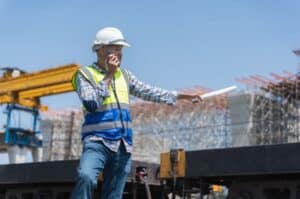
A rope suspended platform offers a practical, controlled way to reach elevated surfaces where traditional access methods fall short. From facade work to high-rise building maintenance, it delivers precision, flexibility, and safety in one system.
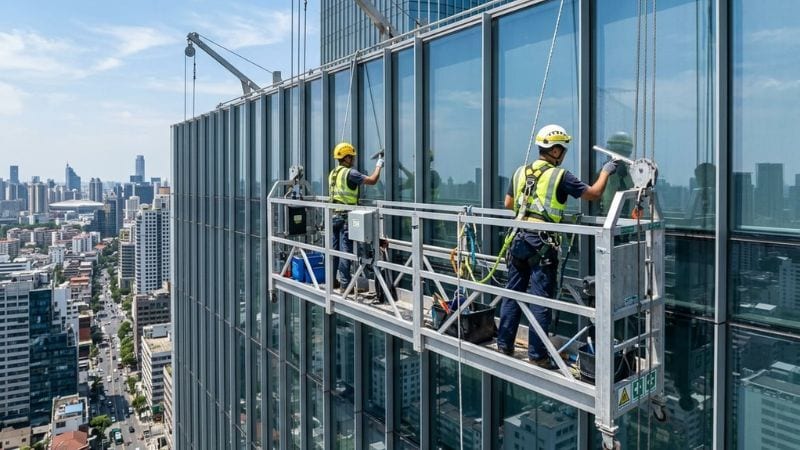
What Is a Rope Suspended Platform?
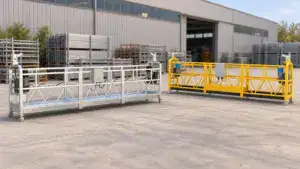
A rope suspended platform is a temporary work platform that uses rope and a suspension mechanism to suspend workers and tools at height. Unlike fixed scaffold systems, this platform is supported by wire rope or steel wire rope connected to a rooftop structure, parapet, or beam.
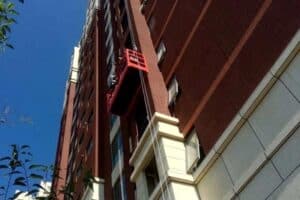
This type of suspended platform is widely used on skyscraper and high-rise building projects where ground-based scaffold setups are inefficient. A swing stage configuration allows the platform to suspend vertically and move along the facade with controlled lifting systems, typically powered by a hoist.
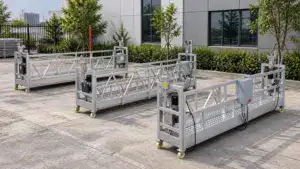
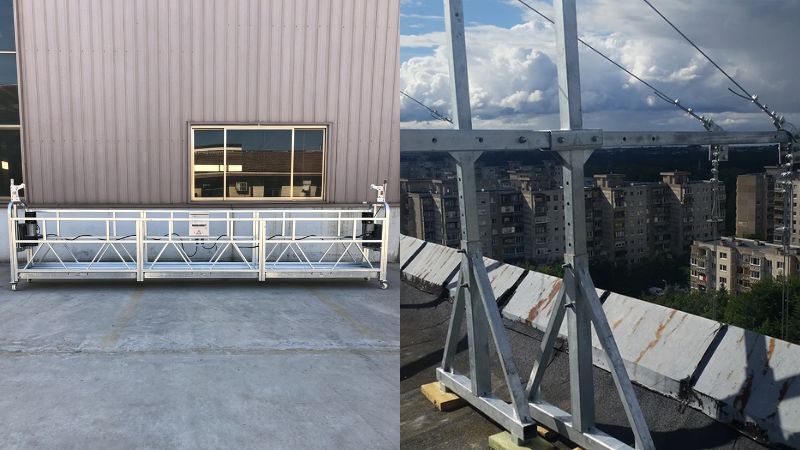
The core components include:
- Platform deck designed to support a defined rated load
- Suspension mechanism mounted on a parapet or roof edge
- Wire rope system (often steel wire rope) for lifting and stabilization
- Safety lock and lifeline systems to protect the operator
Because the platform can suspend at different heights, it provides adjustable access to difficult surfaces like a chimney or curved building exterior. This makes it a preferred solution for repair, installation, and inspection tasks across complex structures.
Key Benefits of Suspended Platforms
Flexibility: The platform can suspend and reposition easily along vertical surfaces, making it ideal for facade work on a high-rise building or skyscraper. With minimal ground obstruction, it allows work to continue without disrupting surrounding activity.
Cost and time efficiency: Installing a suspended platform requires fewer materials than erecting a full scaffold system. The rope and suspension design eliminates the need for extensive ground support, reducing labor time during installation.
Precise access: The adjustable platform can suspend at exact working heights, improving accuracy during building maintenance, repair, or installation tasks. This is especially useful when working around architectural features like a parapet or recessed facade sections.
Improved reach: A rope suspended platform can access areas that cranes or fixed scaffold structures struggle to reach. It also reduces the need for heavy crane use in many scenarios, streamlining operations.
Safety and Compliance Considerations
Safety is critical when working with any suspended scaffold. Systems must comply with OSHA regulations and industry standards to ensure worker protection at height.
Each rope and wire rope must be carefully selected based on load capacity and environmental exposure. Steel wire rope is commonly used for its strength and resistance, but it must be regularly checked for corrosion or wear.
Key safety elements include:
- A properly installed safety lock to prevent uncontrolled descent
- A secure lifeline for every operator on the platform
- Guardrail systems to reduce fall risk
- Routine inspection procedures for rope, cable, and suspension components
Operators must follow strict precaution measures, including verifying the rated load before use. Overloading a suspended scaffold can compromise the entire suspension system.
In addition, the suspension mechanism must be anchored correctly to the building or structure, often at a parapet level. Incorrect installation or weak anchoring can lead to instability.
Regular inspections help identify damage early, especially in harsh environments where rope and cable systems are exposed to weather or chemical agents. OSHA guidelines recommend periodic checks to maintain safe suspended access conditions.
Applications in Modern Construction
The rope suspended platform has become a standard solution across multiple industries due to its adaptability and efficiency.
In facade work, it allows teams to suspend along vertical surfaces for cleaning, sealing, or repair. For building maintenance, it provides ongoing access to windows, panels, and exterior systems without erecting permanent scaffold structures.
In construction projects, it supports installation tasks such as cladding or glazing on a high-rise. Its ability to suspend at varying heights ensures consistent access across the entire structure.
It is also commonly used in specialized environments like chimney repair, bridge inspection, and industrial plants. In these cases, the rope suspended platform offers a safer alternative to ladders or unsupported access methods.
The system’s adjustable nature and controlled suspension make it suitable for complex geometries where traditional scaffold solutions are impractical.
Partner with a Trusted Suspended Platform Expert
At IHURMO, we specialize in designing and manufacturing reliable suspended platform systems that meet the demands of modern high-rise and facade projects. With a focus on safety, durability, and performance, our solutions are built to help you work efficiently at height with confidence. Contact us today to discuss how we can support your next project.
Frequently Asked Questions
How is a rope suspended platform transported between job sites?
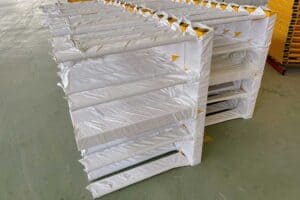
Most rope suspended platform systems are modular, with components like the platform deck, suspension mechanism, and rope assemblies designed for easy disassembly. This allows contractors to transport them using standard trucks and quickly reassemble them on-site without specialized logistics equipment.
Can suspended platforms be used in windy conditions?
They can operate in light to moderate wind, but strict limits apply. Manufacturers and OSHA guidelines specify maximum wind speeds, and work must stop if those limits are exceeded. Excessive wind can cause the platform to sway, increasing risk to the operator and reducing precision during tasks.
Can rope suspended platforms be customized for unique structures?
Yes, many systems are adaptable to complex architectural designs. Adjustable suspension mechanisms and configurable platform lengths allow them to work on curved facades, recessed sections, or structures with extended parapet features, making them suitable for a wide range of building types.
What factors affect the lifespan of a suspended platform system?
The lifespan depends on usage frequency, environmental exposure, and maintenance practices. Factors like corrosion, heavy loads, and repeated stress on the rope and suspension components can reduce longevity, while routine care and proper operation help extend service life.