A scissor lift’s height is one of the most important parameters for a smooth lifting operation, and different heights are meant to fit varied scenarios and scissor lift types. This comprehensive guide breaks down the essential measurements you need to know and shows you how to match those lift heights to the machine size for your project. 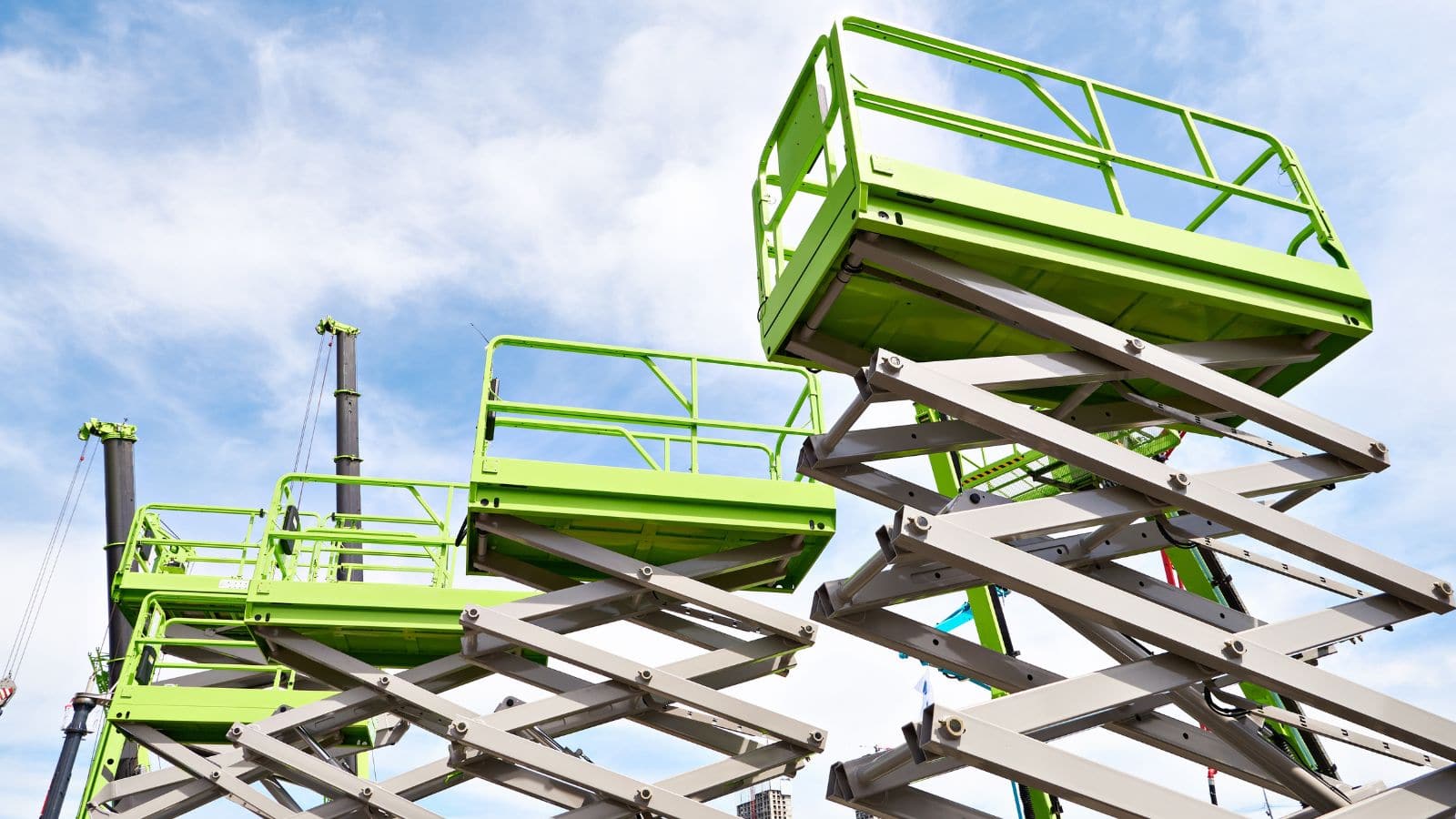
Platform Height vs. Working Height: What’s the Difference?
Every spec sheet lists two primary height figures. To properly evaluate any scissor lift, you must understand the distinction between how high the machine goes and how high the worker can reach.
Platform height is the exact distance from the ground to the floor of the work platform when the lift is fully extended. When checking site clearances, passing under overhead pipe runs, or avoiding low-hanging ceiling beams, platform height is the critical number you must reference.
Working height is the platform height plus the upward reach of an average worker standing on the platform. Because of this, the working height is always a larger number than the platform height.
The Six-Foot Rule of Scissor Lifts
Most manufacturers calculate maximum working height using the six-foot rule. They simply add six feet (representing a worker standing with arms extended overhead) to the rated platform height.
For example, a machine with a 19-foot platform height will typically list a working height of 25 feet. A 26-foot platform height translates to a 32-foot working height.
When measuring your job site, always start by measuring the exact height of the work point—not just the ceiling height. Subtract roughly six feet from that number to find your required platform height, and add a few feet of buffer space to ensure comfortable positioning for tool usage.
Scissor Lift Sizes and Height Ranges
Scissor lift sizes generally fall into three standard categories: compact units, mid-range machines, and large industrial platforms. Matching your project to the right category is the first step in successful equipment procurement.
Compact (12-to-20-Foot / 3.66 to 6.10 meters) Scissor Lifts
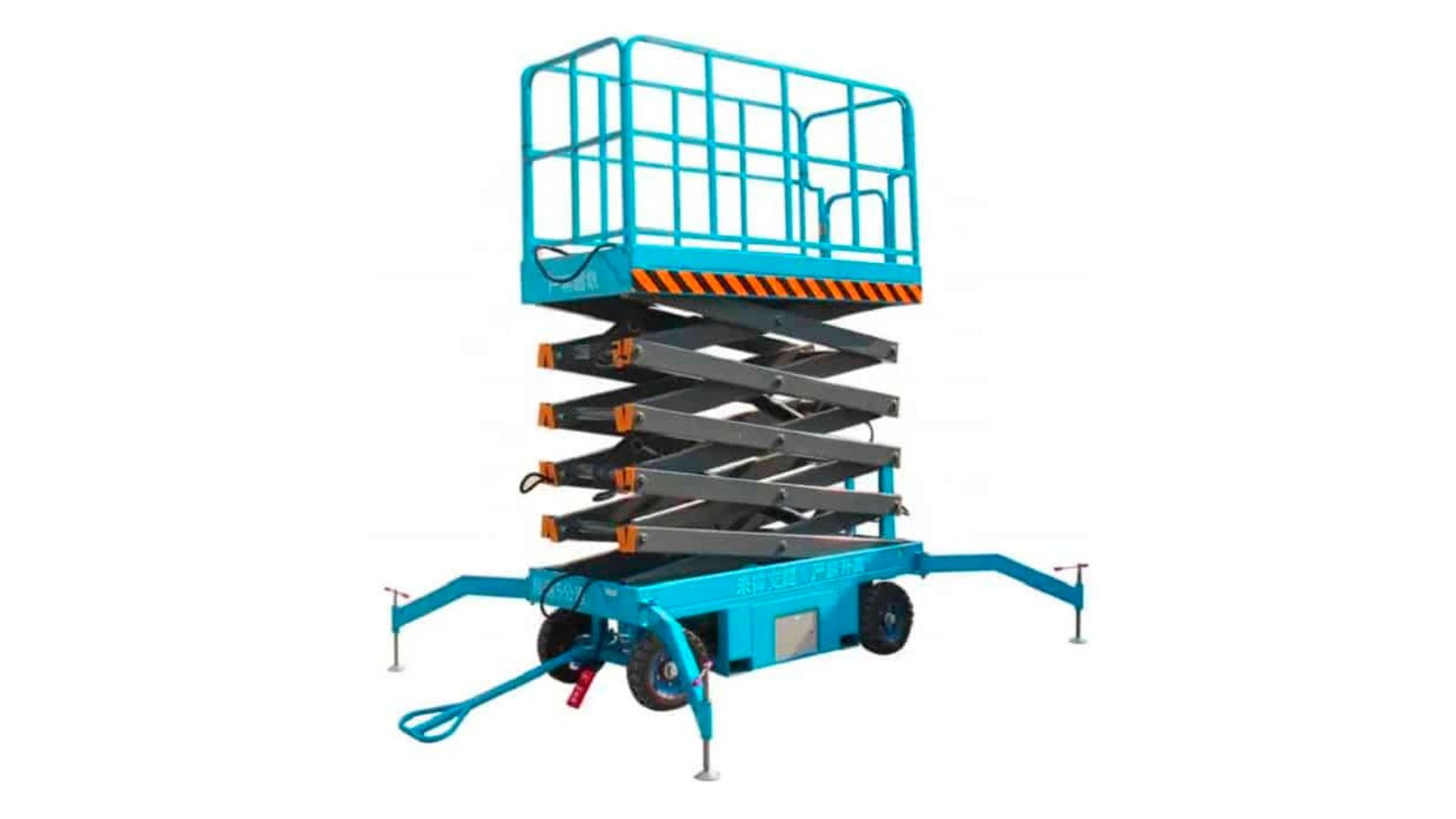
Small scissor lifts offering 12 to 20 feet (3.66 to 6.10 meters) of platform height are the industry standard for applications such as:
- Indoor facility maintenance
- Retail space management
- Warehouse inventory
- Reaching standard commercial ceilings
- Servicing HVAC ducts
- Overhead lighting replacement
The primary advantage of compact models is their footprint. They are specifically engineered to be narrow enough to pass through standard single doorways and navigate tight warehouse aisles without disrupting operations. Lift capacity in this class generally runs between 500 to 800 pounds (226.8 to 362.8 kg), which is perfectly suited for one or two workers carrying standard hand tools and light replacement parts.
Mid-Range (26-to-32-Foot / 7.92 to 9.75 meters) Scissor Lifts
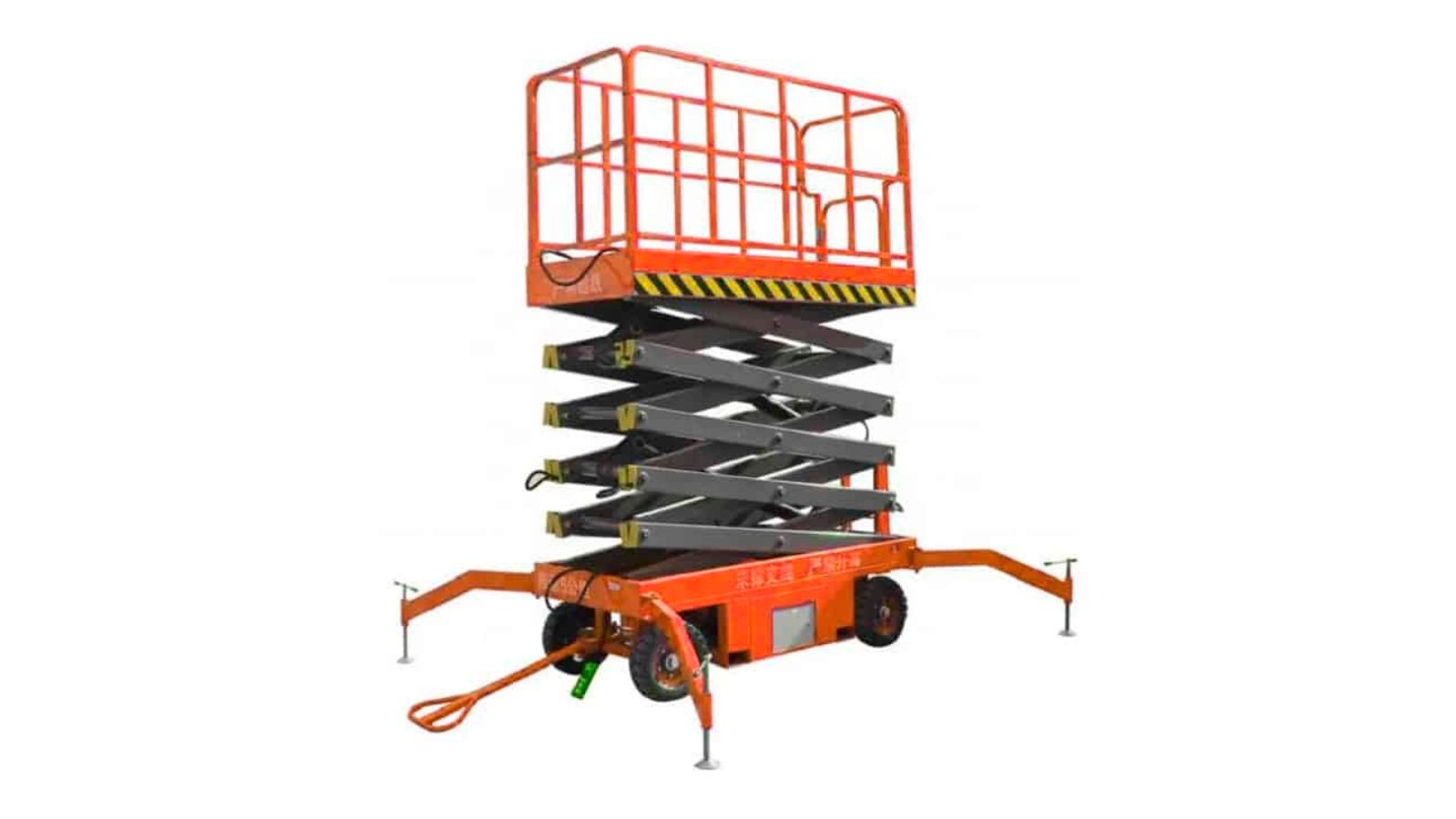
Mid-range lifts bridge the gap between indoor maintenance and light outdoor construction. A 26-foot scissor lift or 32-foot scissor lift will provide a working height ranging from 32 to 38 feet. These are heavily utilized in:
- Commercial fit-outs
- Exterior painting
- Drywall installation
- Electrical contracting in gymnasiums, manufacturing floors, and retail stores
Machines in this category feature a significantly wider base for enhanced stability at greater heights. As a result, their rated capacities are usually higher, often accommodating 800 to 1,000 pounds, allowing multiple operators to work simultaneously with heavier materials.
| Platform Height | Typical Working Height | Common Use Cases |
| 19 ft (5.8 m) | 25 ft (7.6 m) | Indoor maintenance, retail, tight spaces |
| 26 ft (7.9 m) | 32 ft (9.8 m) | Mixed indoor/outdoor, commercial fit-outs |
| 30-32 ft (9.1-9.8 m) | 36-38 ft (11.0-11.6 m) | Light construction, exterior painting |
40-Foot (12.19 Meters) and Higher Scissor Lifts
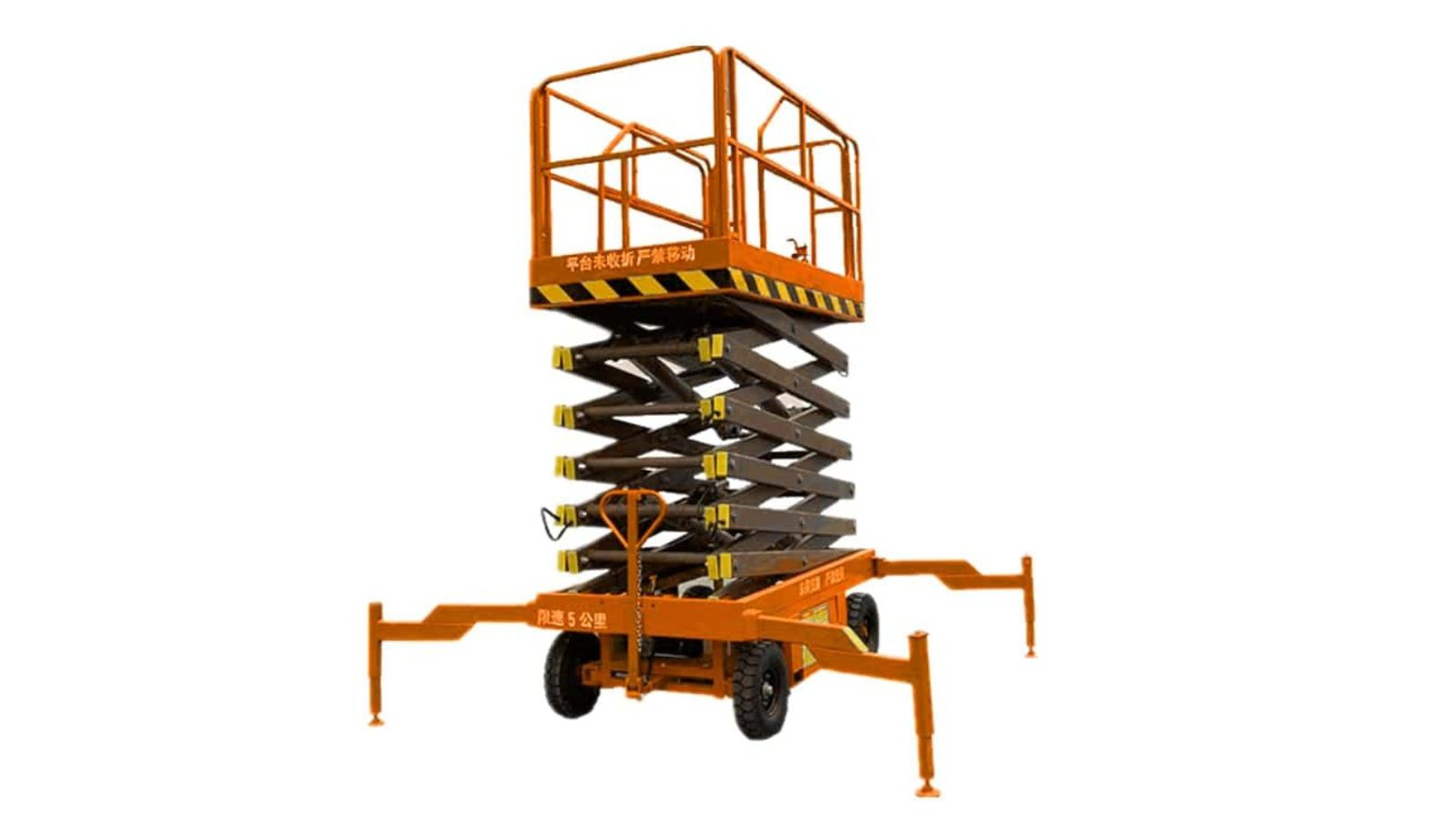
Large access equipment, including 40+ ft scissor lifts, is purpose-built for heavy-duty outdoor construction, steel erection, and industrial site maintenance.
A 40-foot lift provides a working height near 46 feet. At this scale, stability and power are paramount. Capacities often climb to around 1,500 pounds (680.3 kg), accommodating multiple workers, heavy structural materials, and welding equipment.
For extreme access needs, manufacturers produce specialized 50 ft and 60 ft scissor lifts. These massive machines push working heights past 66 feet. Because they are specialty items, they require highly trained operators and meticulous site preparation to ensure stability at such extreme elevations.
Matching Lift Type to Your Work Environment
Height is useless if the machine cannot safely drive on your job site’s surface. Once you determine the height range you need, you must select the correct type of scissor lift based on ground conditions.
Electric Slab Lifts for Finished Floors
Electric scissor lifts are designed exclusively for smooth, solid, and level indoor surfaces like warehouse concrete, retail flooring, and finished commercial interiors. Powered by robust battery packs, they operate quietly and produce zero harmful exhaust emissions, making them safe for enclosed environments with poor ventilation.
These machines are equipped with non-marking solid rubber tires that protect finished floors from scuffs and damage. Electric slab lifts are incredibly maneuverable, offering tight turning radii that are essential for navigating around permanent facility fixtures, racking systems, and office cubicles.
Rough Terrain Scissor Lifts for Uneven Ground
If your project is outdoors on unfinished dirt, gravel, mud, or sloped ground, an electric slab lift is a major safety hazard. Rough terrain scissor lifts are the mandatory choice for active construction sites and outdoor industrial work. Powered by diesel or dual-fuel engines, these robust machines feature four-wheel drive, heavy-duty pneumatic or foam-filled tires with deep treads, and oscillating axles.
RT models provide the traction necessary to power through mud and the stability required to operate safely on uneven grading. Many are equipped with hydraulic outriggers (stabilizer legs) that deploy to level the machine on sloped terrain before the platform is allowed to elevate.
Other Specs That Affect Usable Reach
Focusing solely on vertical height ignores the horizontal and spatial realities of a job site. Platform width, load limitations, and base dimensions directly impact how safely and effectively you can utilize the lift’s maximum height.
Platform Width and Extension Decks
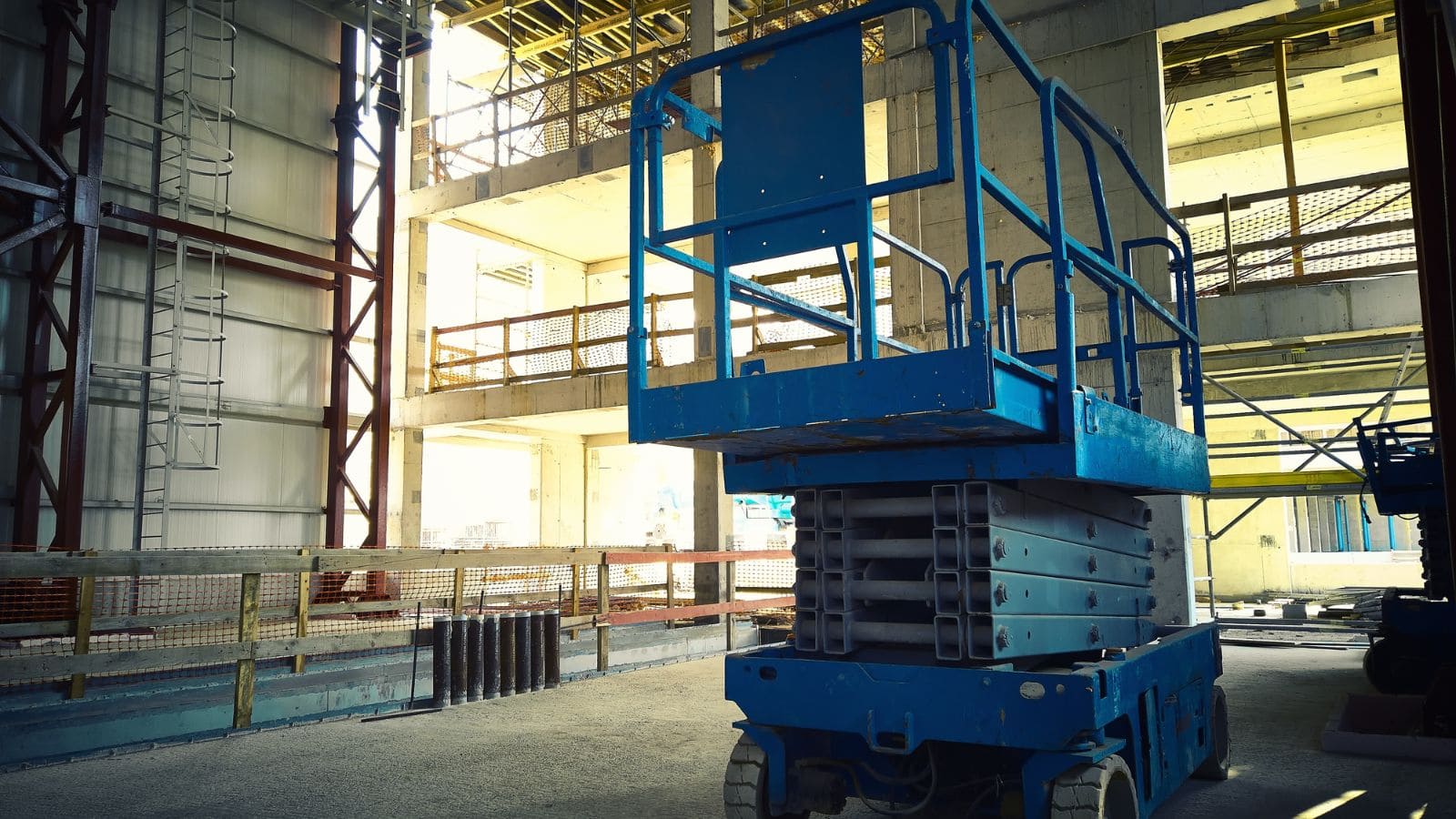
Compact lifts feature narrow platforms (30 to 36 inches / 76 to 91 cm), while large outdoor models offer expansive decks (up to 70 inches / 178 cm wide).
To increase horizontal reach without driving the base, most modern lifts feature a roll-out extension deck. This sliding platform provides an extra 3 to 5 feet (0.9 to 1.5 m) of reach over obstacles. However, it is critical to note that the weight capacity on the extension deck is usually significantly lower than the main platform.
Load and Platform Capacity
Load capacity accounts for the combined weight of operators, tools, materials, and any debris generated during the job. Exceeding this limit severely impacts the hydraulic system and compromises machine stability.
Furthermore, platform capacity ratings can drop as the lift reaches maximum height. A lift rated for 1,000 pounds (454 kg) when lowered might only safely support 700 pounds (318 kg) at full extension. Always consult the specific load chart for the height you intend to work at.
Base Footprint and Doorway Access
A machine that reaches your required height is useless if it cannot physically enter your building. Base dimensions scale up alongside platform height. Before procuring equipment, you must measure all doorways, freight elevators, and narrow corridors the lift must travel through.
| Platform Height | Approximate Base (Length x Width) | Doorway Compatibility |
| 19 ft (5.8 m) | 2.6 – 3 ft (0.8 – 0.9 m) wide | Fits standard single doors |
| 26 ft (7.9 m) | 3.9 – 5.6 ft (1.2 – 1.7 m) wide | Requires double doors / roll-ups |
| 32 ft (9.8 m) | 5 – 6 ft (1.5 – 1.8 m) wide | Requires industrial double doors |
| 40 ft+ (12.2 m+) | 5 – 8 ft (1.5 – 2.4 m) wide | Large loading docks / outdoor only |
5 Questions To Ask Before Choosing a Scissor Lift
Before purchasing or finalizing a rental for vertical access equipment, run through this final checklist to ensure you are selecting the safest, most efficient machine for your specific application:
- What is the exact working height needed?Measure from the floor directly to the work point, and calculate the required platform height by subtracting six feet.
- What are the ground conditions?Determine if you are working on a smooth indoor slab (requiring an electric model) or uneven outdoor dirt (requiring a rough-terrain model).
- What is the total weight load?Calculate the combined weight of all workers, heavy tools, and materials to ensure it falls well under the machine’s maximum capacity limit at full extension.
- Are there access restrictions?Measure the width of all doorways, gates, and aisles the lift must navigate to reach the work area.
- Are there overhead obstacles?Check for ceiling beams, light fixtures, or HVAC ducts that could interfere with the platform as it rises vertically.
Need Expert Help Finding the Right Equipment?
Selecting the right aerial lift is crucial for your projects. As a premier manufacturer and supplier, iHurmo offers direct access to high-quality scissor lifts, comprehensive technical documents, and 24/7 support to ensure you get the exact machinery your job site demands.
Don’t risk project delays or safety hazards with the wrong equipment. Contact the iHurmo team today to discuss your project requirements, get customized equipment recommendations, and secure reliable machinery built to perform!