A tower crane inspection is a critical safety task on any high-rise or heavy-lift job site. For procurement managers and fleet owners, these inspections are also vital health checks for your capital investment. This guide explores the crane inspection, and how a partnership with a reliable manufacturer ensures structural integrity, wire rope longevity, and safety technology. 
Inspections Timeline of Crane Maintenance
Following international safety standards such as ASME B30.3 (North America) or EN 14439 (Europe), establishing a strict and clear inspection timeline is crucial for safety and compliance.
| Frequency | Responsibility | Key Focus Areas |
| Daily | Crane Operator / Site Safety Officer | Visual checks, leaks, limit switch tests, and abnormal noises. |
| Monthly | Site Mechanic / Maintenance Team | Wire rope lubrication, bolt torque spot checks, brake clearance, and electrical panels. |
| Annual | Third-Party Certified Inspector / OEM | Non-destructive testing (NDT) of structures, major component wear evaluation, and load testing. |
| Post-Event | Professional Structural Engineer | Overall structural integrity and micro-crack inspections after extreme weather, overload, or collision. |
Annual inspections are the most thorough. They examine structural components, run non-destructive testing where required, and confirm the crane still matches its original engineering specification. This is typically the time when major OEM parts, such as wire ropes or slewing rings, are audited for replacement to ensure the crane maintains peak performance.
Post-event reviews are also necessary following any incident that could affect the crane’s integrity, such as high wind events beyond the crane’s rated limit or an overload. Any of these should trigger a professional inspection before the crane returns to normal service.
Crane Inspection for Structural and Load-Carrying Components
Structural failure on a tower crane is rare, but consequences are severe. Inspectors focus on the foundation, mast, slewing assembly, jib, and counterweight. For buyers, the quality of these components dictates the crane’s lifespan.
Foundation, Mast, and Tie-In Condition
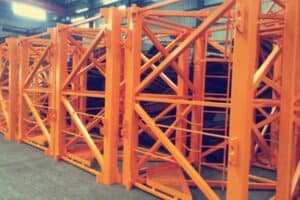
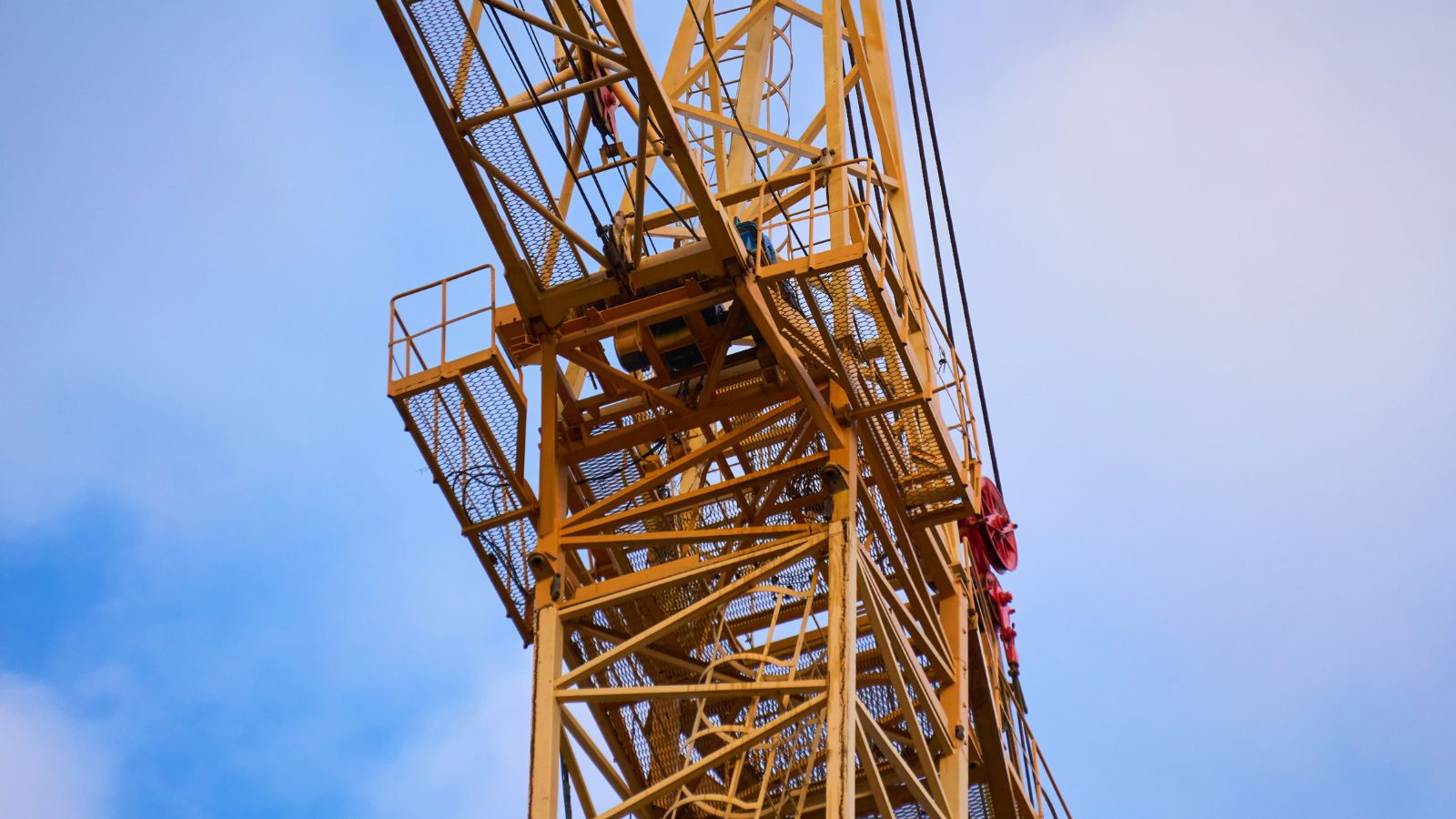
Mast sections must remain straight and corrosion-free, with secure connections at each joint. On tied-in cranes, the tie points transferring load to the building structure require close attention.
Slewing Assembly, Jib, and Counterweight Security
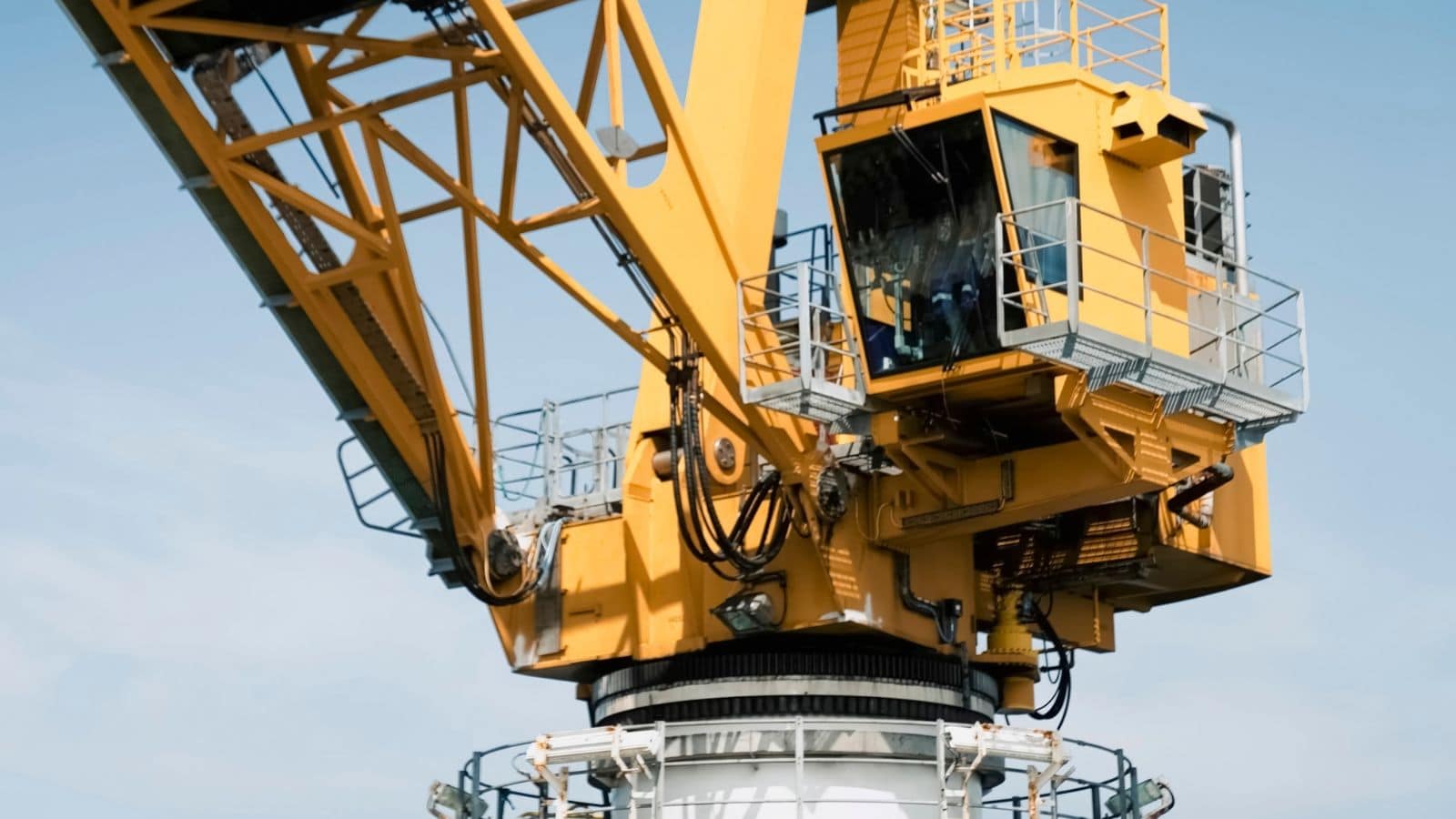
The slewing ring and turntable allow the crane to rotate under load. A worn slewing ring affects stability during rotation. The jib should be checked for straightness, as bent sections signal overload or impact damage.
Bolts, Welds, and Connections
Inspectors pay close attention to high-stress areas like mast splice joints and jib bases. High-quality automated welding and premium steel—such as the materials standard in IHURMO’s hammerhead and topless cranes—drastically reduce the risk of structural fatigue over a crane’s operational lifespan.
Hook Block and Rigging Attachment Points
Mechanical components at the rigging attachment point, including shackles and sheaves, must be monitored for wear to prevent unexpected load slips.
Crane Inspection for Hoist, Trolley, and Wire Rope
Wire ropes are critical consumables. Monitoring their condition and replacing them with correct OEM specifications is vital for maintaining lifting capacity.
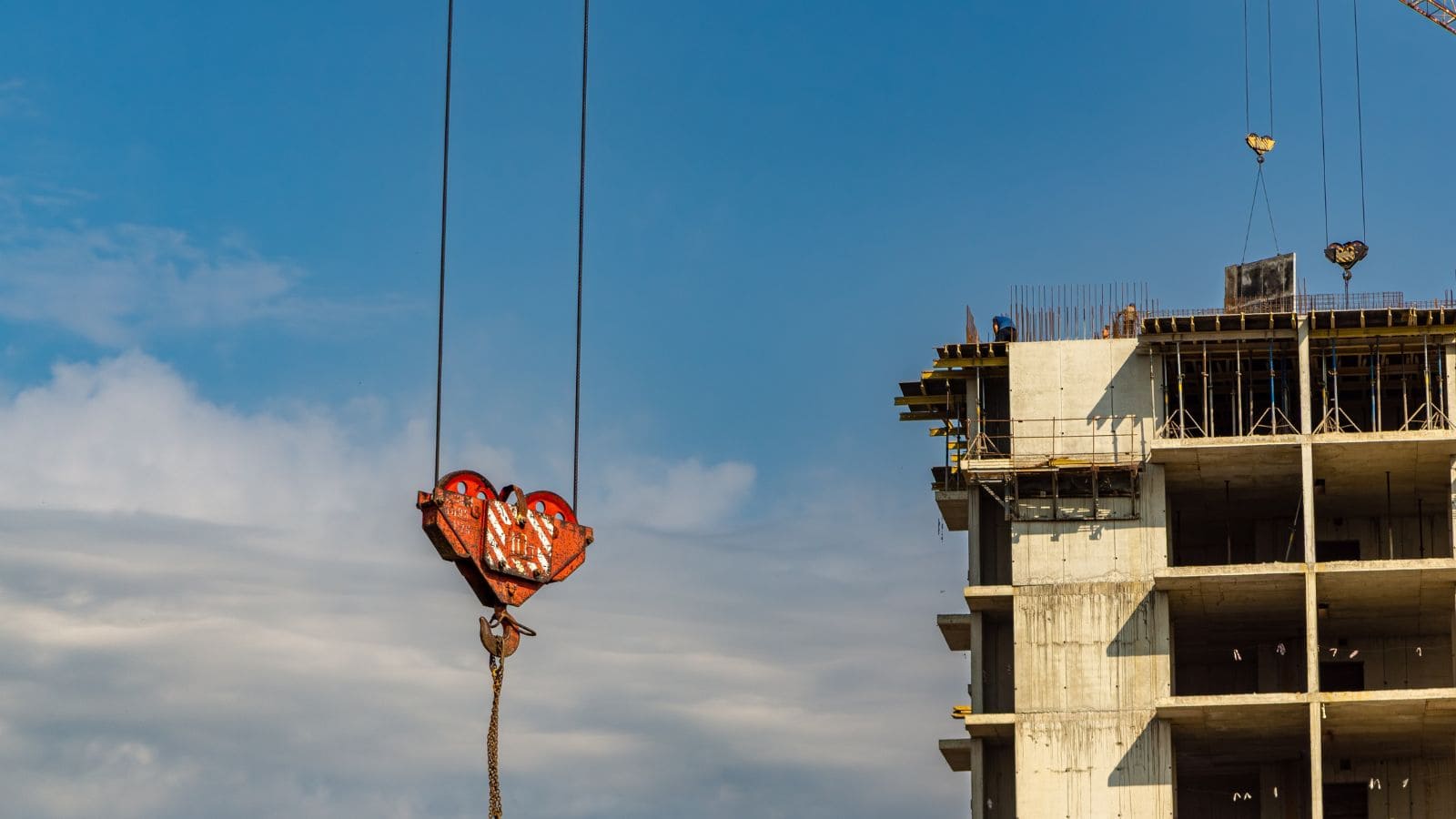
Wire Rope Discard Criteria
Wire rope inspection must cover the full accessible length and adhere to international discard standards like ISO 4309. Inspectors should actively look for:
- Broken wires:Exceeding the allowed count per rope lay length.
- Corrosion:Severe internal or external rusting.
- Deformation:Kinking, crushing, or birdcaging.
- Diameter reduction:Measurable thinning of the rope core.
When a rope reaches that threshold, it must be replaced immediately. Sourcing original wire ropes and sheaves ensures the crane operates safely at its maximum rated capacity.
Hoist, Brakes, and Trolley Travel
The hoist motor and brake system control vertical movement and must hold suspended loads without drift. On luffing jib cranes, trolley travel must remain smooth across the full jib length.
Crane Inspection for Safety Devices and Capacity Limits
Modern safety devices protect massive capital investments from operator error and mechanical wear. These systems provide real-time warnings before dangerous conditions develop.

Load Moment Indicators (LMI) and Limit Switches
The load moment indicator (LMI) calculates the actual load against rated capacity in real time, warning the operator before reaching 100 percent. Limit switches control the outer boundaries of crane movement, including maximum hoist height and slewing limits. Purchasing cranes equipped with highly accurate, reliable safety technology like these is essential for modern job sites.
Anemometers and Wind Controls
Most tower cranes have a rated wind limit, commonly in the 20 to 25 mph range depending on the model. Reliable anemometers at the top of the crane provide the critical data needed to halt operations safely during high winds.
Tower Crane Electrical and Mechanical System Inspection
Electrical components must withstand harsh weather environments to ensure uninterrupted operation and operator safety.
Cables, Plugs, And Grounding
Power cables and industrial plugs connecting the crane to the site’s power supply must be intact to prevent shock hazards and intermittent power loss. Proper grounding protects operators and ground crews from electrical faults.
Operator Controls
Operator controls must respond smoothly without delay. Reliable wireless communication between the operator and ground signal personnel is also essential for safe lifting operations.
A Quick Tower Crane Inspection Checklist
To maximize your equipment’s lifespan and ensure job site safety, keep this essential tower crane inspection checklist in mind during routine maintenance:
- Structural Integrity:Verify the foundation, check mast straightness, and inspect all bolts/welds for metal fatigue.
- Slewing & Jib:Check the slewing ring for wear, stability, and proper lubrication; inspect the jib for any bending.
- Hoists & Wire Ropes:Look for broken wires and corrosion (per ISO 4309), and ensure the hoist motor and brakes hold loads firmly.
- Safety Mechanisms:Calibrate Load Moment Indicators (LMI) and test limit switches and anemometers.
- Electrical & Controls:Ensure cables and groundings are intact, and verify that operator controls are responsive.
Reliable Tower Cranes at Ihurmo: OEM Support & Spare Parts Guarantee
Any thorough tower crane inspection will eventually lead to maintenance planning and parts replacement. When an annual inspection indicates it’s time to replace key components—such as a load block, slewing ring, wire rope, or hoist motor—working with your original manufacturer helps ensure specification match, safety, and long-term reliability.
IHURMO is a premier global supplier of tower cranes and construction equipment, providing a one-stop solution for fleet owners, contractors, and distributors. We support your projects with OEM & ODM capability, responsive after-sales service, and dependable supply for critical spare parts.
- One-year guarantee period
- Free quick-wear spare parts
- 24/7 hotline support
Is your tower crane fleet due for maintenance? Ensure maximum uptime with IHURMO’s certified OEM spare parts.
Contact IHURMO for a custom quote: https://ihurmo.com/contact/
Frequently Asked Questions (FAQ)
How often should a tower crane undergo a major inspection?
Daily visual checks and monthly mechanical reviews are standard for compliance, but a comprehensive structural inspection is typically required annually. A post-event inspection is also recommended after extreme wind events, overloads, impacts, or any incident that could compromise the crane’s integrity.
Why is it important to use OEM parts for tower crane maintenance?
OEM parts are designed to match the crane’s original engineering specification. Using OEM wire ropes, sheaves, slewing components, and braking parts helps maintain rated capacity, reduces unexpected downtime, and supports long-term reliability across your fleet.
What are common signs that a crane wire rope needs replacement?
Typical warning signs include broken wires, birdcaging, corrosion, kinking, and a measurable reduction in rope diameter. If the rope meets or exceeds discard criteria under applicable standards, it must be replaced before returning the crane to service.
Which inspection findings usually lead to parts sourcing?
Common procurement-trigger items include wire ropes, sheaves, hooks/load blocks, braking components, limit switches, and slewing ring wear indicators. Having a stable OEM supply chain helps you schedule maintenance proactively and avoid delays.