What is Scaffolding?
Scaffolding is a temporary platform that supports workers and materials during construction, repair, or maintenance of buildings.
A scaffolding system typically includes standards (vertical poles), ledgers (horizontal bars), transoms (cross pieces), and a working platform. Scaffolding is used to provide safe access to heights and hard-to-reach areas, making it safer and more efficient than ladders alone.
The scaffold structure must be strong enough for both people and heavy loads. Scaffolding consists of steel, aluminum, wood, or bamboo, depending on the project’s needs.
Fundamental Types of Scaffolding
Single Scaffolding
Single scaffolding, or bricklayer’s scaffolding, is a basic type of scaffold. It uses vertical standards set 4 to 6 feet from the wall, with putlogs resting in wall holes and ledgers connecting the standards. Diagonal braces add stability. This scaffolding is economical and works best for brick and stone construction where the wall can support the putlogs.
Double Scaffolding
Double scaffolding is a supported scaffolding system used when walls can’t support putlogs, such as in stone masonry. It features two rows of standards connected by putlogs and cross braces, providing independent support and better load capacity for heavy loads. This type of scaffold gives workers more space and stability.
Cantilever Scaffolding
Cantilever scaffolding is used when ground access is blocked, such as above water or busy sidewalks. Needle beams anchored inside the building extend outward to support the scaffold platform. Cantilever scaffolding requires careful planning, strong anchor points, and must be checked by a structural engineer to ensure safety. This type of scaffold is essential when other types of scaffolding in construction are not feasible due to site constraints.
Suspended Scaffolding
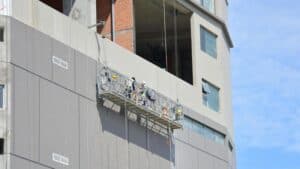
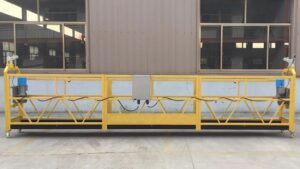
Suspended scaffolding hangs from ropes, cables, or chains attached to the roof or upper structure. The platform can move up and down, making it ideal for tasks like window washing or painting tall buildings. Types include:
- Two-Point Suspended Platforms: Widely used for their balance and efficiency.
- Single-Point Suspended Platforms: Offer maneuverability for precision work.
- Multi-Level Platforms: Ideal for extensive tasks across various heights.
Regular inspections of ropes and safety gear are essential to ensure the integrity of these systems. Notably, suspended scaffolding can be set up more quickly than traditional supported scaffolding, making it especially advantageous where ground space is limited.
At Ihurmo, we take pride in offering high-quality construction equipment designed to meet your needs. See more about suspended scaffolding>>>
Specialized and Modern Scaffolding Systems
Tube and Coupler Scaffolding
Tube and coupler scaffolding uses steel tubes connected by adjustable couplers. This scaffolding type is highly adaptable for irregular shapes and complex structures. Different coupler types—right-angle, swivel, and sleeve—allow flexible connections. Tube and coupler scaffolding is strong and suitable for heavy loads but requires skilled assembly and more setup time.
Frame and Brace Scaffolding
Frame scaffolding, also called frame and brace scaffolding, uses prefabricated frames and cross braces for quick setup. This system scaffolding is ideal for projects with regular surfaces, such as residential or commercial buildings. The standardized frames are easy to assemble and transport, but frame scaffolding is less flexible for unusual shapes.
Modular Scaffolding
Modular scaffolding systems, such as cuplock, ringlock, and kwikstage, use standardized components for rapid assembly. Cuplock scaffolding features cup-shaped connectors, ringlock uses rosette connections, and kwikstage uses wedge connections. Modular scaffolding is efficient, supports heavy loads, and is suitable for large-scale projects. The modular design ensures consistent quality and safety.
| System Type | Best For | Assembly Speed |
|---|---|---|
| Cuplock | Curved structures, heavy load | Fast |
| Ringlock | Multi-story buildings | Very fast |
| Kwikstage | Large commercial projects | Fast |
Mobile and Rolling Scaffolding
Mobile scaffolding, or rolling scaffolding, is a type of scaffold mounted on casters for easy movement. It is ideal for tasks that require frequent repositioning, such as painting or maintenance. Mobile scaffolding is available in adjustable aluminum or steel, with steel offering higher load capacity.
Always lock the casters before use for safety. For greater heights, mast climber scaffolding or scissor lifts may be more suitable. Mast climber scaffolds use motorized platforms that move vertically along mast sections, while scissor lifts offer adjustable height for indoor and outdoor work.
Scaffolding for Unique Applications and Materials
Brace scaffolding provides stability for heavy loads, while tube and coupler scaffolding accommodates complex shapes. Supported scaffolding is the most common, and suspended scaffolding is crucial for high-rise projects. Essential components include couplers, braces, ropes, and ladders.
Adhering to OSHA safety standards is vital, as selecting the appropriate scaffolding type based on height, load, access, and site conditions ensures both safety and efficiency.
Bamboo Scaffolding
Bamboo scaffolding is a traditional type of scaffold still widely used in parts of Asia, especially where labor costs are low and aluminum is expensive. This temporary elevated structure relies on bamboo poles tied with rope or nylon straps to create a strong, flexible scaffold framework.
Bamboo scaffolding is particularly common in Hong Kong and parts of mainland China. The lightweight material makes it easy to transport and assemble without heavy equipment. Workers can quickly adjust the scaffold structure to fit irregular building shapes.
Key advantages include:
- Lower cost than metal alternatives
- Natural flexibility that absorbs wind and movement
- Fast assembly and disassembly
- Sustainable and renewable material
Bamboo scaffold components are simple but effective. Skilled crews can build these scaffolds up to 20 stories high, but experience with proper rope binding techniques is essential for safety.
Trestle Scaffolding
Trestle scaffolding is a type of scaffold best for indoor projects and maintenance tasks at lower heights. This system uses movable tripods or ladders to support a working platform.
You can adjust the height by using different sized trestles or extension ladders. The platform usually consists of wooden planks or aluminum boards placed across the supports. This type of scaffold is ideal for work up to 5 meters high.
Common uses include:
- Interior painting
- Ceiling repairs
- Installing light fixtures
- Drywall work
The scaffolding components are minimal and portable, making trestle scaffolding economical and adjustable for small jobs. Simply position the trestles and lay your platform across them.
Interior Hung, Float, and Catenary Scaffolding
These three suspended scaffolding types serve specialized applications where ground-based support isn’t practical. Each uses different scaffold components to create a temporary elevated structure from above.
- Interior hung scaffolding hangs from ceiling beams using rope or wires. This scaffold type is used for interior wall or ceiling work without blocking floor space.
- Float scaffolding is suspended from overhead beams at right angles to the building surface. The platform can move along the supporting ropes, making it suitable for exterior work on specific sections.
- Catenary scaffolding uses horizontal ropes or wires hung from a higher structure, with vertical supports connecting to the work platform. The cables form a catenary curve to distribute weight. This type of scaffold is often used on bridges and large industrial structures where traditional scaffolding is not feasible.
Looking For Construction Machinery?
At Ihurmo, we specialize in providing high-quality equipment for your construction needs, including tower cranes, hoists, and scaffolding solutions. With a commitment to excellence, our extensive range of products is designed to enhance your project’s efficiency and safety. Ready to take the next step? Contact us today for tailored solutions that will elevate your operations—visit our website to learn more!
Frequently Asked Questions
What are the main advantages and disadvantages of different scaffolding systems?
Supported scaffolding is versatile but may be hard to use in tight spaces. Mobile scaffolding is adjustable and easy to move but has limited heavy load capacity. Cantilever scaffolding reaches difficult areas but needs specialized equipment. Suspended scaffolding minimizes ground disruption but requires expert setup. Cuplock and frame scaffolding are modular and quick to assemble but can have higher rental costs. Tube and coupler scaffolding is customizable but needs skilled assembly.
What are the main safety categories for scaffolding?
Scaffolding is grouped into supported scaffolding, suspended scaffolding, and aerial lifts (like scissor lifts and mast climbers). Each has specific OSHA safety requirements, including fall protection and regular inspections.
Can scaffolding be used for indoor projects?
Yes, multiple scaffolding types, such as trestle scaffolding and interior hung scaffolding, are specifically designed for indoor use. Trestle scaffolding is portable and adjustable for lower heights, ideal for tasks like drywall work or painting. Interior hung scaffolding can be used for ceiling or wall work without taking up floor space.