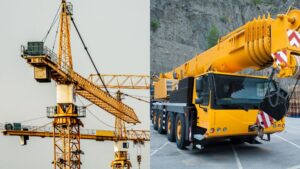
Overview of Cranes
Cranes are large machines used to lift and move heavy materials on construction sites, ports, and industrial areas. These heavy equipment systems utilize cables, pulleys, and hydraulic lifts to manage loads that are too heavy to move by hand.
Different Types of Cranes
- Mobile cranes can drive on roads and move between job sites
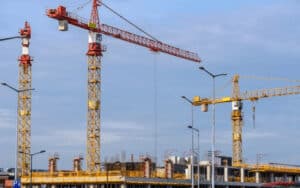
- Tower cranes stand tall at construction sites and lift materials to great heights
- Crawler cranes use tracks instead of wheels to work on soft or uneven ground
- Telescopic boom cranes have arms that extend and retract like a telescope
Most cranes share similar basic parts. The boom is the long arm that extends to reach the load. The counterweight keeps the crane balanced when lifting heavy objects. The cab is where the operator controls the machine.
Why Crane Transportation Matters
Cranes are often too tall, heavy, or wide to move on regular roads without special planning. Tower cranes need to be taken apart into smaller pieces. Mobile cranes might drive short distances but need trailers for longer trips.
The type, size, and weight of your crane determine the best way to transport it safely to your construction site.
How Do Cranes Get Transported to Constructed Sites?
Road Transport with Specialized Trailers
- Lowboy trailers sit close to the ground and can handle very heavy loads. They work well for large crawler cranes and tower crane components. The low deck height helps keep your load under bridge clearances.
- RGN trailers (Removable Gooseneck Trailers) have a detachable front section. This lets you tilt the deck and roll equipment on and off without a separate loading ramp. They’re ideal for medium-sized all-terrain cranes.
- Step-deck trailers feature a raised front section and lower back deck. This design helps transport taller crane parts while staying within height limits.
Some mobile cranes can drive themselves short distances, while truck-mounted cranes combine mobility and lifting capability.
Rail and Water Transport Options
Rail transport is used when you need to move very large or heavy cranes across long distances. You can load disassembled crane components onto flatbed rail cars. This method is often less expensive than road transport for cross-country moves.
Water transport is necessary for specialty cranes used in offshore work. Barges carry floating cranes and components for oil platform assembly. Ships can move multiple crane parts in containers across oceans.
Some projects combine transport methods. You might truck crane parts to a rail yard, ship them across the country by train, then use local trucks for final delivery.
Use of Escort Vehicles and Route Planning
Heavy haul crane transport often requires escort vehicles. These pilot cars drive ahead of and behind your load to warn other drivers. Wide loads need escorts to help navigate turns and prevent accidents.
Route planning must account for weight limits on bridges, overhead clearances, and road width restrictions. You need permits before moving oversized loads on public roads. Each state has different rules about transport times, allowable routes, and required escorts.
Professional transport companies survey routes ahead of time. They identify obstacles like low power lines, narrow intersections, and weight-restricted bridges. Some moves happen at night or on weekends to reduce traffic.
Transport Requirements by Type of Cranes
Mobile Cranes
Mobile cranes are easy to transport because they combine lifting and moving in one machine. Truck cranes can drive themselves on highways to reach job sites without extra equipment. These cranes are useful for quick moves between locations.
All-terrain cranes handle both paved roads and rough ground. They work well when you need to reach remote sites directly. For longer trips, use specialized trailers like RGN or low-floor trailers.
The transport method depends on distance and road conditions. Self-driving works for short trips under 50 kilometers. For highway or cross-state moves, flatbed trucks or heavy-duty trailers keep the crane safe and meet traffic rules.
Tower Cranes
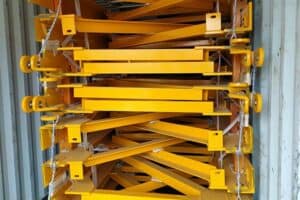
Tower cranes cannot move on their own because they’re built from separate parts at each job site. You must take them apart before transport. The main components include the tower sections, boom, counterweights, and control systems.
Each piece is loaded onto flatbed trucks or trailers for shipping. The transport team secures all parts to prevent damage. Bolts, cables, and smaller items should be packed separately and labeled.
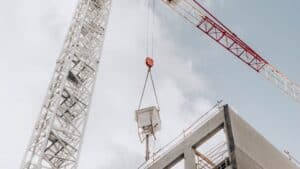
When the crane reaches the new site, workers reassemble it on a concrete foundation. You’ll need a mobile crane to help lift and position the tower sections during setup. Experienced crews are needed to handle these large components safely.
Crawler Cranes
Crawler cranes use tracks instead of wheels, which makes them stable but hard to transport. You cannot drive them on highways because they move slowly and damage road surfaces. These cranes must travel on flatbed trailers for any significant distance.
Large crawler cranes get broken down into modules before transport. The boom, counterweights, and chassis travel separately. This modular approach makes shipping easier and safer. Transport companies will need multiple trucks to move all the pieces.
The weight of crawler crane components requires special permits and route planning. Work with transport specialists who understand oversized loads.
Rough-Terrain and All-Terrain Cranes
Rough-terrain cranes work best on construction sites with poor ground conditions. They have tough tires and all-wheel drive systems. For short moves within 50 kilometers, these cranes can drive themselves at low speeds (usually under 30 km/h).
Long-distance transport requires heavy-duty low-bed trailers. This protects the crane’s tires and suspension from highway wear. You’ll also need trailers to meet traffic laws about weight and width limits on public roads.
All-terrain cranes offer more flexibility than rough-terrain models. They handle unpaved mining sites and smooth highways. When you transport them, choose between RGN trailers, extended-length trailers, or low-floor trailers based on the crane’s size.
Preparing Cranes for Transport
Inspection and Disassembly Procedures
Start by inspecting every part of your crane before transport. Check for loose bolts, damaged hydraulics, worn cables, and any structural issues. Operators should document all existing damage and make repairs before disassembly.
The disassembly process depends on your crane type. Tower cranes require complete breakdown into sections small enough for flatbed trailers. Remove the boom, counterweights, and tower sections in order. Mobile cranes may only need partial disassembly, like removing the boom or jib if they exceed road height limits.
Label each component as you take it apart. Keep all hardware organized in marked containers so nothing gets lost during transport.
Securing Components for Safe Shipping
Once you’ve disassembled the crane, each piece needs to be secured on flatbed trailers. Use heavy-duty chains and straps rated for the weight. Boom sections, counterweights, and other heavy parts must be fastened at multiple points to prevent shifting.
Key securing requirements include
- Chains or straps every 8-10 feet on long components
- Padding at contact points to prevent damage
- Separate trailers for extremely heavy pieces
- Blocking and bracing to stop any movement
Check local regulations for oversized loads before transporting a crane. You may need special permits, escort vehicles, or specific travel times for your route.
Reassembly and Setup at Destination
When your crane arrives at the new site, reverse the disassembly process. Prepare a level, stable surface that can support the crane’s weight. Review your disassembly notes and photos to ensure correct reassembly order.
Use smaller mobile cranes or specialized lifting equipment to position larger components during reassembly. Operators should verify each connection is secure before moving to the next step. Test all systems once assembly is complete, including hydraulics, electrical systems, and safety features.
Conduct a final inspection before putting the crane into operation. This ensures no hidden damage or loose components after transport.
Elevate Your Projects with Ihurmo
At Ihurmo, we specialize in high-quality tower cranes, construction hoists, and suspended platforms designed to enhance your construction projects. Our commitment to innovation and reliability makes us the preferred choice in the industry. Ready to elevate your operations? Contact us today for tailored solutions that meet your specific needs!
Frequently Asked Questions
Can cranes be moved using multiple transport methods?
Yes, sometimes multiple methods are used. For example, parts may be trucked to a rail yard, shipped by train, and then transported by local trucks to the final destination.
What measures are taken to prevent damage during crane transport?
Operators perform thorough inspections and secure all components using heavy-duty chains and straps. Padding is added at contact points, and blocking is used to prevent shifting during transport.
Do cranes have the ability to build themselves?
No, cranes cannot build themselves. They require specialized equipment and skilled operators to assemble their components at construction sites. Tower cranes, for instance, are constructed from multiple parts and must be assembled by cranes or lifting equipment on-site.