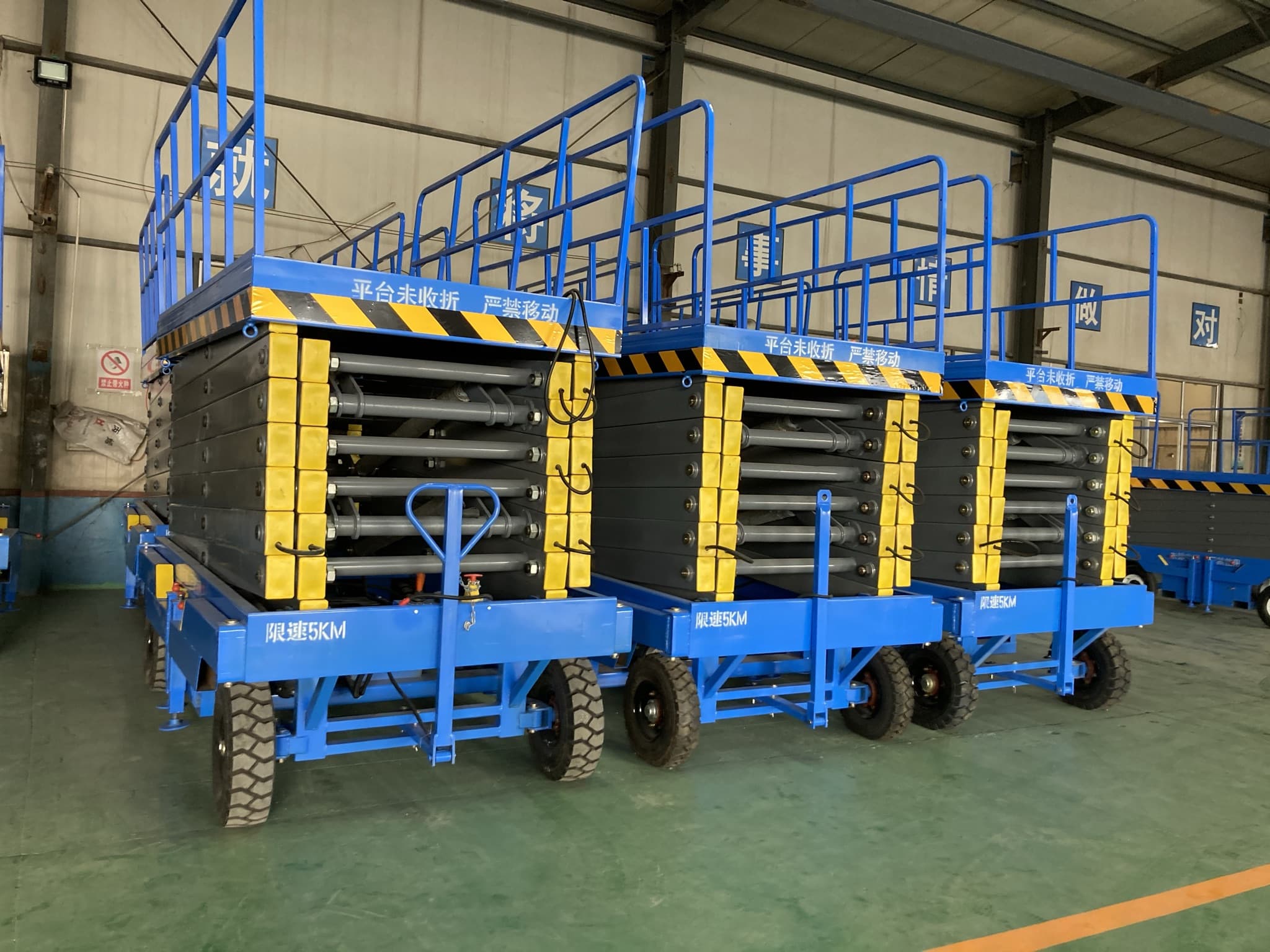

Scissor Lift
Scissor Lift
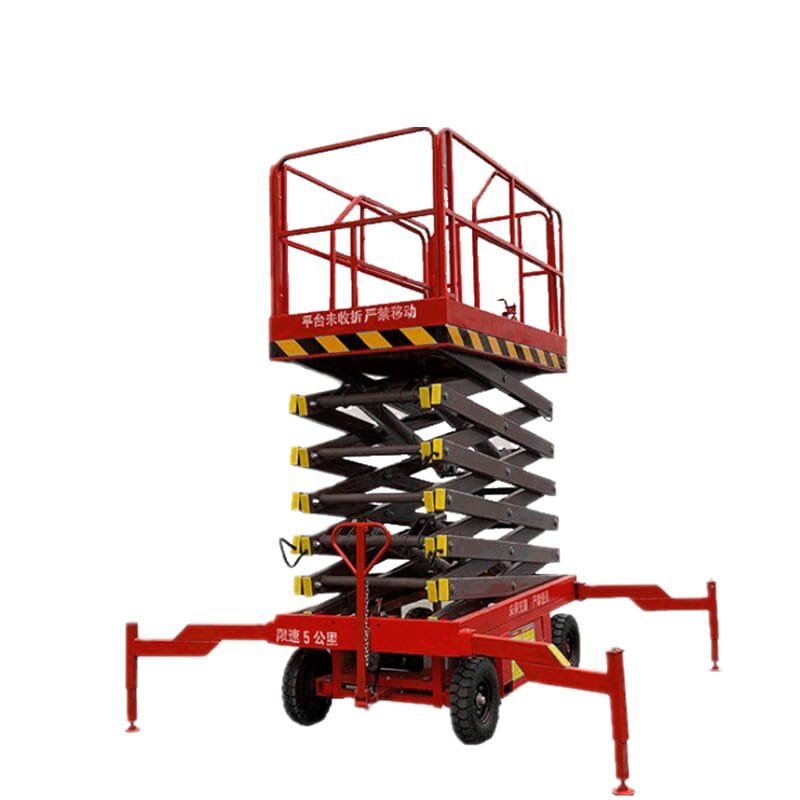
IHURMO 500kg 30 ft Scissor Lift
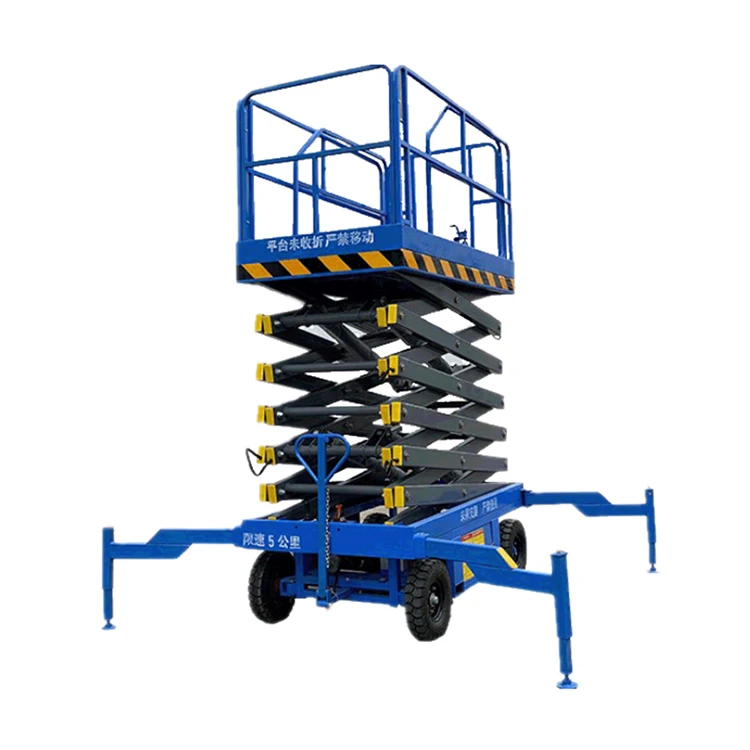
IHURMO 500kg-1000kg Electric Mini Scissor Lift for Sale
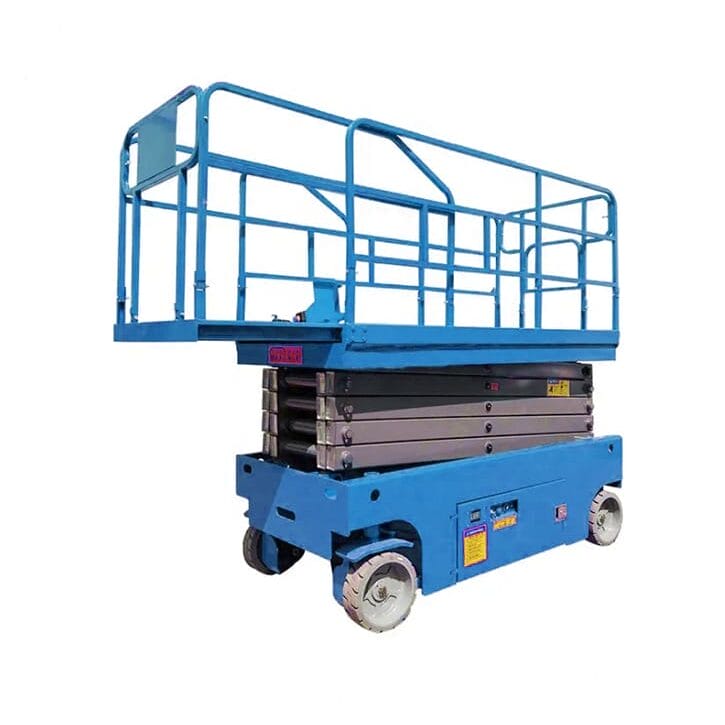
IHURMO 30 ft Scissor Lift for Sale
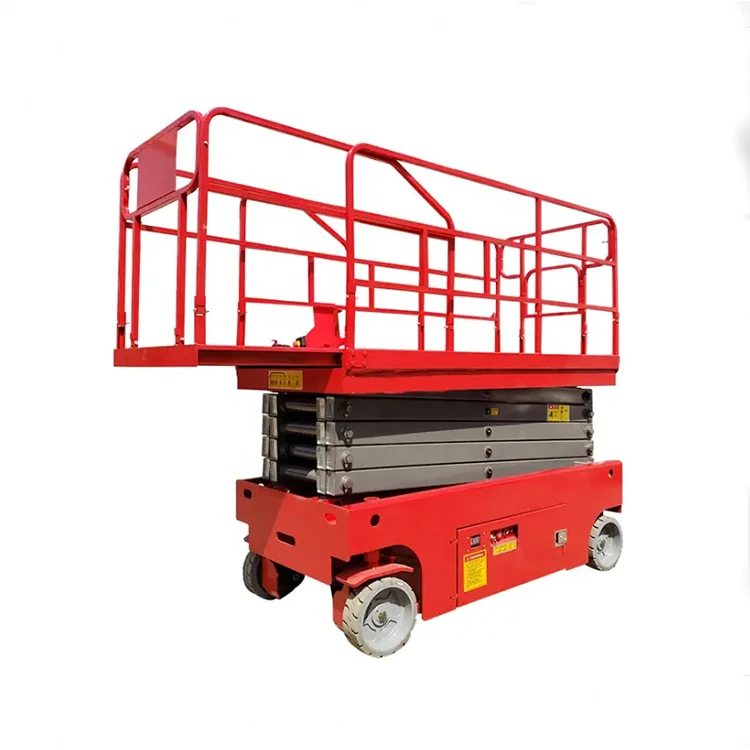
IHURMO mobile scissor lift
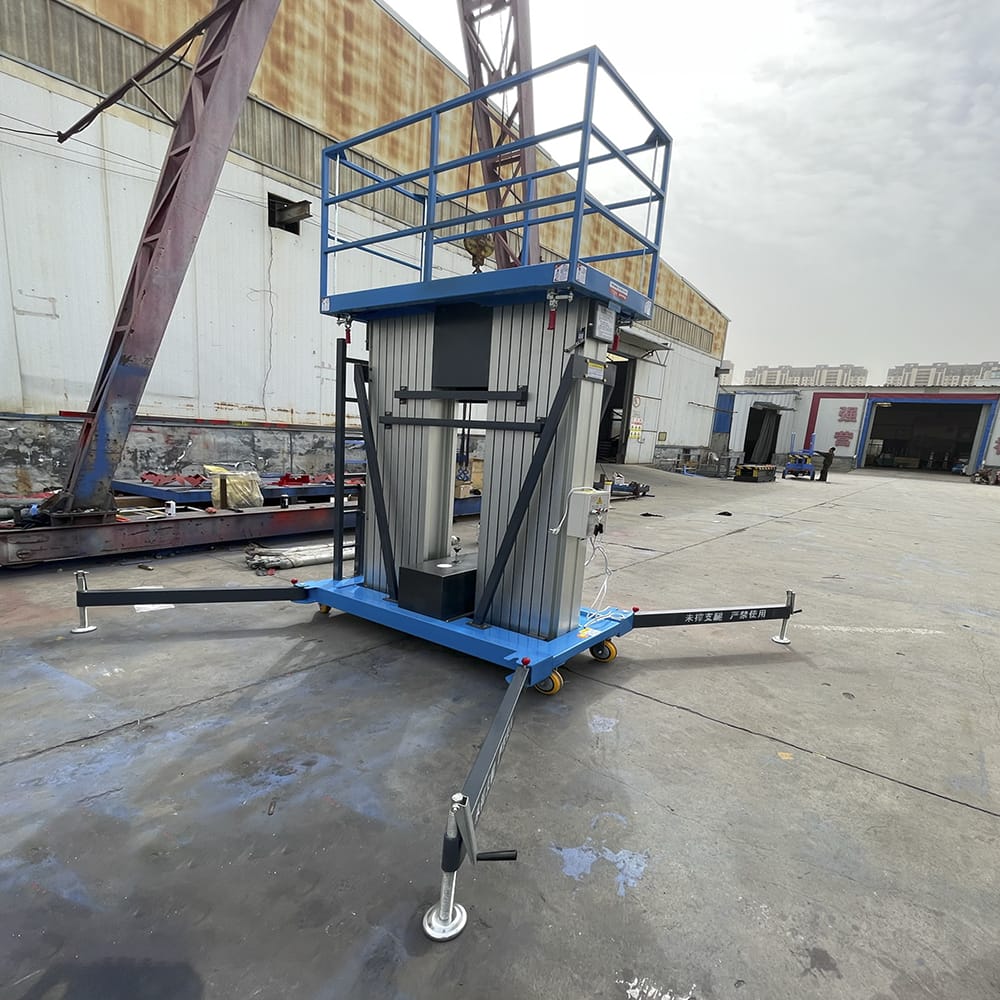
Double-mast Aluminum Alloy 20 ft Scissor Lift for Sale
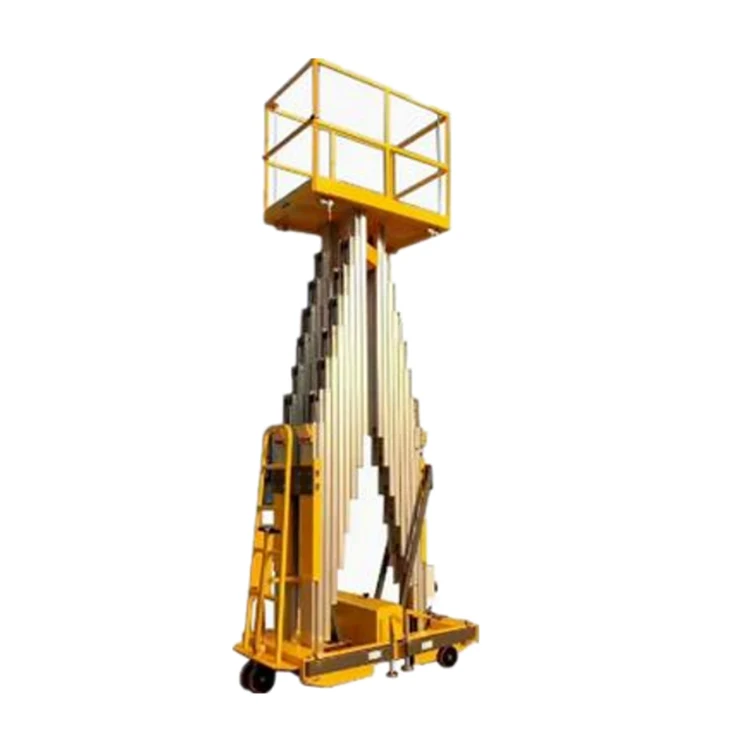
IHURMO 200kg 12 Meter Scissor Lift Wholesale
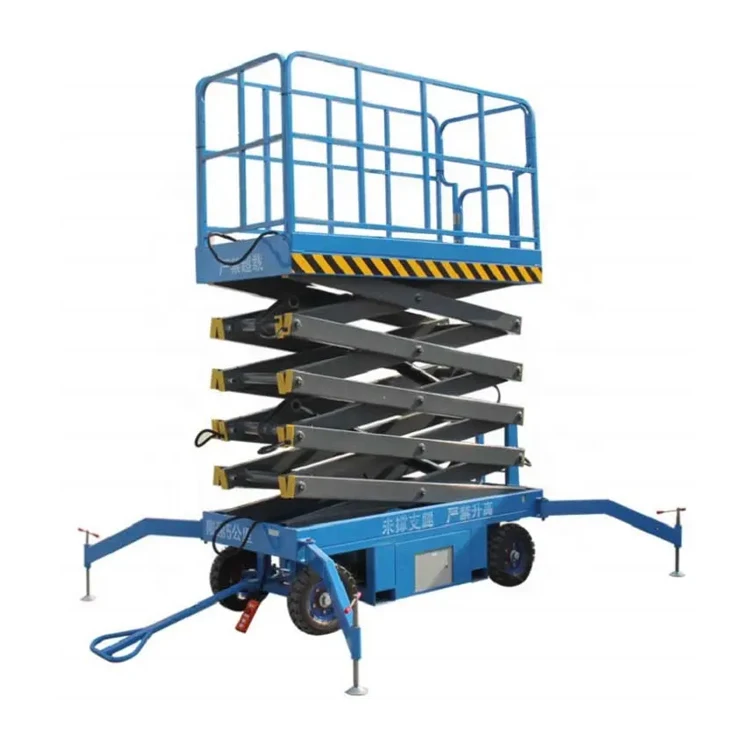
IHURMO Electric 500kg 19 Foot Scissor Lift
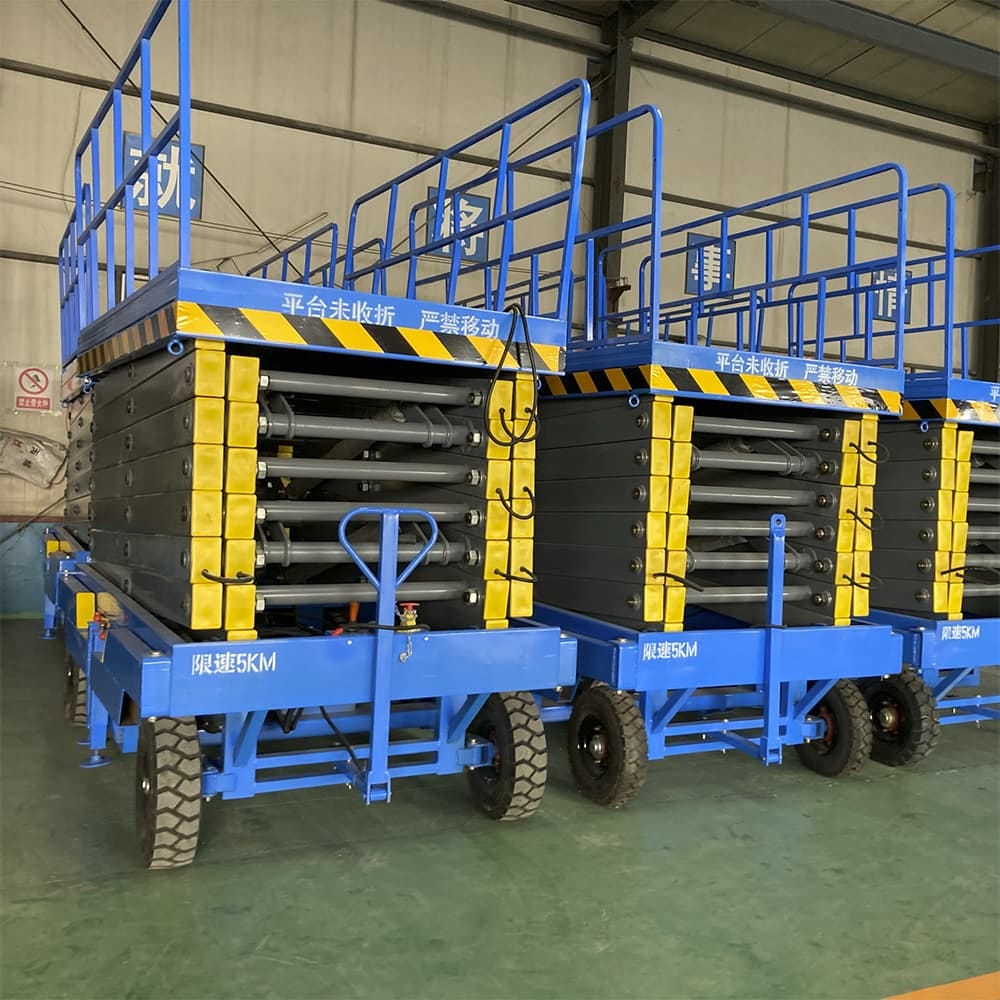
IHURMO 1 Ton 12m Blue Scissor Lift
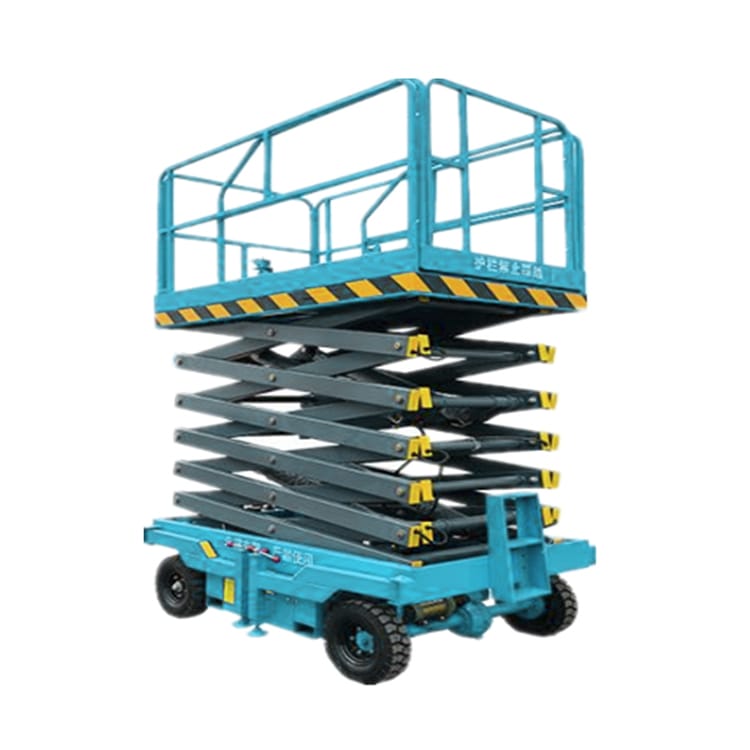
IHURMO 1000kg 16m Scissor Lift
What is a Scissor Lift
Overview of the Scissor Lift
A scissor lift is a type of elevated work platform (EWP) that uses a pantograph mechanism of crisscrossed supports resembling a scissor to lift personnel and equipment to height.
Key defining features of a scissor lift:
- Intersecting steel arms or scissor legs that move vertically to raise and lower the platform
- A hydraulic cylinder or electric drive system to power the scissor mechanism
- A base frame that provides stability
- A work platform mounted on top of the scissor legs
Key Components of a Scissor Lift
The key components of a scissor lift include:
- Scissor legs or crisscrossed supports: Usually constructed from high-strength steel, which provide the lifting mechanism through a pantograph design
- Hydraulic lift cylinders: Mainly powered by an electric or combustion engine
- Base: Allows the lift to be moved on its wheels, which provides stability
- Platform: Equipped with guardrails and access gates
- Controls: Used to operate the lift
Types of Scissor Lift
There are several major types of scissor lifts designed for different applications and work environments.
- Fixed scissor lifts have a stationary base and are intended primarily for indoor use on flat, hard surfaces.
- Rough terrain scissor lifts are equipped with specialized wheels or tracks allowing them to handle uneven outdoor surfaces like dirt or gravel.
- Electric scissor lifts utilize an electric motor and battery power source, ideal for quiet, emission-free operation indoors.
- Truck-mounted scissor lifts are mounted on a truck chassis, enhancing maneuverability and reach.
- Push-around scissor lifts are compact lifts that can be manually maneuvered into position.
By understanding these main scissor lift categories, workers can select the optimal lift configuration suited for their specific job site needs. Each type provides lifting functionality through a distinct design aimed at particular work environments and applications.
How to Operate a Scissor Lift
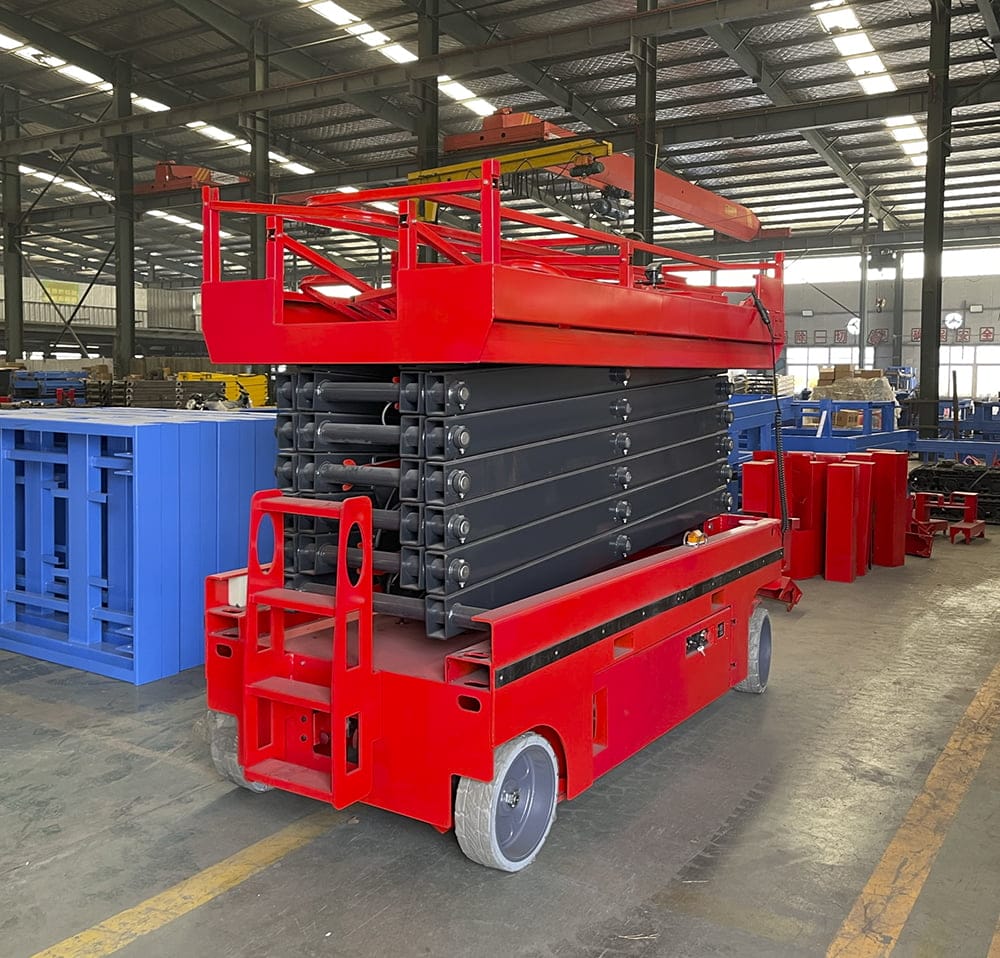
It is critical to follow proper operating procedures when using a scissor lift to ensure safety. Key steps include:
Inspecting the Lift
Inspect the scissor lift prior to operation following the manufacturer’s checklist, including:
- Check fluid levels of fuel, hydraulic oil, and coolants
- Ensure tires are properly inflated with no damage
- Confirm there are no oil leaks
- Test lift operation raising to ensure smooth operation
- Ensure safety devices like outriggers, railings, and gates functioning
Using Safety Harnesses
- Attach body harness at tie-off points before elevating
- Ensure to remain tied off at all times when the lift is aerial
Starting the Lift
- Most models have a key switch to power the lift
- Release wheel brakes before attempting to drive
- Drive slowly when moving the lift
Elevating the Platform
- Use the lift controls to raise the platform when in position
- Do not elevate the platform unless the lift is level
- Never exceed the maximum platform capacity
Proper operating procedures are critical because scissor lifts handle heavy loads at height presenting risks requiring safety actions by a trained operator.
How to Choose the Right Scissor Lift for Working Site
Selecting the optimal scissor lift for a job site requires evaluating several key factors.
- First, determine the maximum platform height needed to safely reach the work areas.
- Next, consider the type of terrain – is it flat indoor concrete or uneven outdoor surfaces? Rough terrain lifts handle gravel, dirt, or landscaping while slab lifts work best indoors on smooth floors.
- Also, assess if there are tight spaces requiring a narrow lift to maneuver. The platform size and capacity must be adequate for workers, tools, and materials without exceeding weight limits.
- Consider options like four-wheel drive, non-marking tires, and electric vs diesel power based on the environment.
- Checking required safety features and certifications is crucial too. Considering all these elements – height, terrain, dimensions, capacity, accessories, and safety – is vital for increased productivity and safety when choosing a scissor lift well-matched to the working site.
Consult IHURMO’s professionals to ensure selecting the optimal lift configuration for the specific job.
IHURMO’s Advantages
IHURMO Industry Co., Ltd. has established itself as a premier supplier of scissor lifts, construction hoists, suspended platforms, mast platforms, scissor lifts, and replacement parts. Our ISO 9001 certification and CE and EAC certifications from the EU and Eurasian Economic Union demonstrate our unwavering commitment to product quality, safety, and compliance with international regulations.
With customers in over 100 countries, IHURMO delivers cutting-edge lifting and access solutions for construction projects of all sizes. Beyond reliable machinery, we provide the expertise, service, and support to help drive project success. When you choose IHURMO as your equipment partner, you choose consistent innovation, unmatched reliability, and a collaborative ally invested in helping you achieve your vision.
Trust in IHURMO’s towering cranes and precision platforms to elevate your construction capabilities. Together, let us build toward a future as sturdy and ambitious as the structures we help erect. IHURMO aims to be the cornerstone supporting our clients’ success in this rapidly evolving world of construction.
We offer a wide range of scissor lifts for any work site and invite you to reach out with any inquiries.