Choosing the right hoist is critical for safe and efficient lifting on construction sites, in warehouses, or for industrial projects. Understanding what affects hoist price and long-term costs helps you make a smart investment in reliable hoists and avoid unexpected expenses.
What is a Hoist
A hoist is a machine designed to lift and lower heavy loads vertically, making the movement of materials much safer and more manageable. Unlike a crane, which can move loads in multiple directions, a hoist moves items straight up and down.
Most hoists are powered by electricity, manual effort, or compressed air. Electric hoists are the most common in modern industry due to their efficiency and ease of use. Manual hoists are operated by hand, while pneumatic hoists use compressed air.
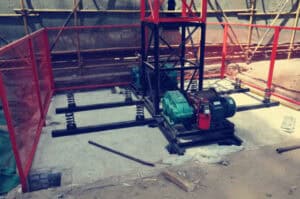
Key components of a hoist include a drum or lift-wheel, a cable or chain, a hook for attaching loads, and user controls. Hoists are widely used in construction, warehouses, factories, and even home garages for lifting heavy materials safely.
Key Factors Affecting Hoist Price
Load Capacity
The maximum load a hoist can lift is the primary price driver. Lighter-duty hoists (0.5–2 tons) are more affordable, while higher capacities (over 10 tons) require stronger materials and advanced engineering, raising costs. For example, a 1-ton electric chain hoist may cost $500–$1,500, but a 10-ton model can exceed $8,000.
Always choose a hoist with at least 25% more capacity than your heaviest expected load for safety and durability.
Lift Height
The required lifting height affects the amount of chain or wire rope and the strength of the hoist. Standard lift heights (10–20 feet) are less expensive. Greater heights (30+ feet) require longer chains and stronger support, increasing material and installation costs.
Hoists with extended lift heights also need better limit switches and reinforced structures, adding to the price.
Drive System
Manual chain hoists are the most affordable, typically $100–$800. Electric hoists, which are more efficient, range from $400 up to $10,000+ depending on motor size and control features. Pneumatic hoists are priced similarly to electric models but need a compressed air system.
Energy-efficient features like variable frequency drives (VFDs) raise the initial price but lower long-term electricity costs.
Safety Features and Compliance
Safety features such as overload protection, emergency stops, and advanced braking systems add $300–$2,000 to the price but are essential for workplace safety. Compliance with standards like OSHA or ISO increases cost but ensures reliability and reduces liability.
Top brands invest more in safety testing and quality, leading to higher upfront costs but better long-term value and support.
Hoist Costs by Type and Capacity
Electric Hoist Price Ranges
Electric hoists automate lifting, increasing efficiency. A basic 1-ton electric chain hoist costs $2,000–$4,000. Higher capacities (2–5 tons) range from $3,500–$12,000. Wire rope models are pricier than chain hoists due to more complex construction.
Manual and Chain Hoist Pricing
Manual chain hoists are affordable for lighter loads. Models under 1 ton cost $500–$1,500. A 2-ton manual chain hoist is typically $1,200–$2,000. Manual hoists are best for occasional use or where power isn’t available.
Construction Hoist Cost Breakdown
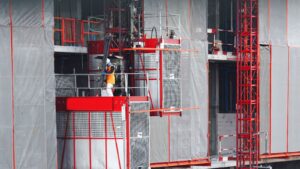
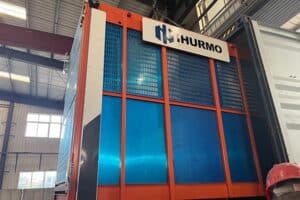
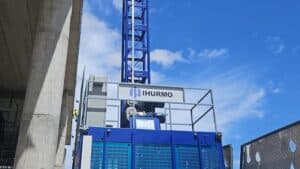
Construction hoists are built for tough environments and higher capacity. Prices start at $5,000 for small models and can exceed $20,000 for large systems. Outdoor or high-rise installations require extra weatherproofing and structural support, increasing costs by $1,000–$5,000.
Goods Hoist and Heavy-Duty Options
Goods hoists for warehouses and industrial use start at $4,000 and can reach $15,000 for high-capacity or hydraulic models. Heavy-duty hoists (over 5 tons) may cost $10,000–$50,000+, depending on load, height, and features. Pneumatic hoists are priced similarly to electric models but need a compressed air supply.
Additional Costs and Long-Term Considerations
The purchase price is only part of your total investment. Installation, maintenance, and repair costs add to the long-term ownership expenses.
Installation and Setup
Professional installation typically costs $1,000–$5,000, depending on site conditions and whether structural modifications are needed. Outdoor or complex installations are more expensive due to weatherproofing and engineering requirements.
Local codes and permits can also affect your total cost, and you may need an engineer to assess your building before installation.
Maintenance and Ownership Costs
Annual maintenance ranges from $500–$2,000, depending on usage and hoist type. Regular inspections and servicing prevent breakdowns and extend equipment life. Energy costs are higher for electric hoists but offset by labor savings. Reliable brands offer better warranties and easier access to replacement parts, protecting your investment.
Set aside funds for unexpected repairs, as downtime can be costly for your project or business.
Why Choose Ihurmo for Your Hoist Needs?
At Ihurmo, we’re a premier supplier of high-quality construction hoists and lifting equipment designed for safety, durability, and value. With competitive pricing and expert support, we deliver the right hoist solution for your project needs. Contact us today to find your perfect fit.
Frequently Asked Questions
What is the typical lifespan of a hoist?
With proper maintenance and regular inspections, most quality hoists can last 10–15 years or longer. The lifespan depends on usage frequency, environmental conditions, and adherence to maintenance schedules. Investing in a reliable brand ensures you get maximum value from your equipment.
What are the advantages of using a hoist?
Hoists offer several key benefits: they enable safe lifting of heavy loads without manual strain, significantly increase workplace efficiency and productivity, reduce labor costs over time, and minimize the risk of workplace injuries and accidents. Additionally, hoists are versatile, affordable compared to other lifting equipment, and require minimal training for basic operation.