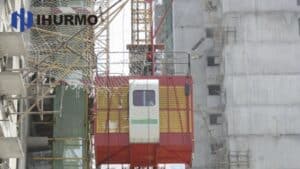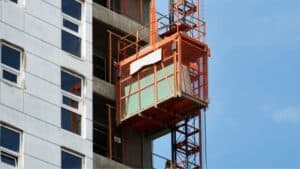
When observing any construction site with high-rise buliding, you would often notice certain types of vertical transportation elevators attached to the outer walls of the buildings. These machines, known as passenger and material hoists, are a vital part of the modern construction industry.
If you want to know how these hoists work, why they matter, and what to look for when choosing one. Here at Beijing Ihurmo Industry Co., Ltd., we can provide you with more details and premium service.
What Are Passenger and Material Hoists?
Passenger and material hoists are key tools for moving people and materials safely and efficiently on construction sites and tall buildings. These machines help save time and lower the risk of injury, making jobs easier and safer for everyone involved.
Definition and Core Concepts
A passenger or material hoist is a vertical lift used to move people, goods, or both on construction sites and in other large buildings. They use cages mounted on vertical guide rail systems that go up and down along this structure to transfer loads.
Most hoists have safety features like emergency brakes and upper/lower limit switches, which keep you safe if something goes wrong. For power, they usually use electric motors, while controls help guide movement up or down.
Difference Between Passenger Hoists and Material Hoists
Passenger hoists are designed for you or other workers to ride in. They have features like enclosed cabins, smooth starts and stops, and safety requirements to protect the workers inside.
Material hoists, on the other hand, are mainly for lifting loads such as bricks, tools, or steel, which may not have cabins or seats, and people should never ride in them unless the equipment is rated for mixed use.
Here’s a quick comparison:
| Feature | Passenger Hoist | Material Hoist |
|---|---|---|
| Main Use | People transport | Material transport |
| Cabin/Safety measures | Yes | Usually limited |
| Can carry people? | Yes | Only if rated for it |
Types of Hoists
There are a few main types of hoists you may see on a job site:
- Single-cage hoist: One cabin moves up and down, ideal for smaller jobs.
- Twin-cage hoist: Two cabins run side by side on the same mast, letting you move people or materials at the same time.
- Rack and pinion hoist: Uses gears and tracks for stable vertical movement. Common in modern construction.
- Wire rope hoist: Uses strong cables instead of gears. These are less common but useful for some projects.
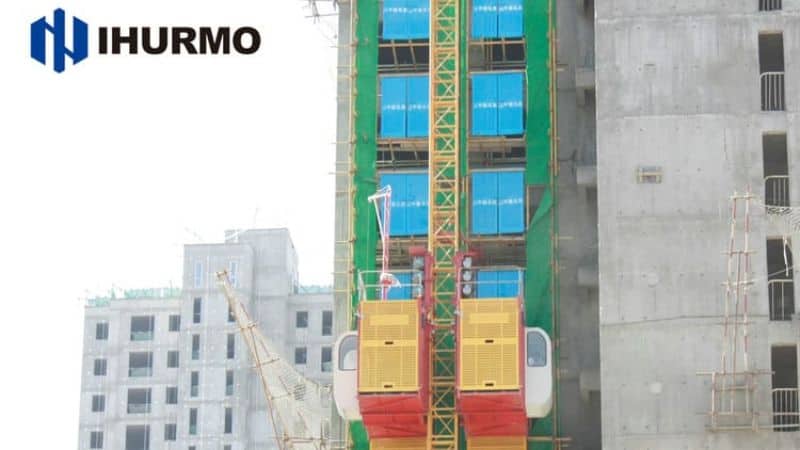
IHURMO 2*1000 kg Twin Cage Passenger Hoist
Each type has its own size limits, speed, and capacity. Choose the right one based on what you need to lift and how often you will use it. Always follow safety standards during operation.
Key Components and Safety Features
Passenger and material hoists use strong cabins, a specific lifting system, and built-in safety features. Each part plays a role in how safely and efficiently you can carry people and heavy loads at construction sites.
Cabin Structure and Load Carrying Capacity
The cabin is the main area where workers or materials are placed. You will find that most cabins are made from strong steel frames and have reinforced floors. This helps protect both the people and the goods during movement.
Large cabins may offer space for 8–30 people or several tons of materials. The weight limit is a critical safety factor. Make sure you never exceed the posted load capacity, which is listed clearly in the cabin.
Some cabins also include anti-slip flooring, handrails, and mesh panels for extra safety. Proper lighting is provided so you can see inside the cabin even when working at night.
Rack and Pinion Mechanism
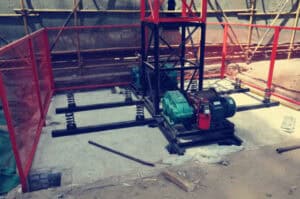
The rack and pinion system is one of the main lifting methods in most modern hoists. This works by using a gear (pinion) that moves up and down a fixed track (rack). The motor drives the pinion, lifting the entire cabin along the tower.
You do not need cables or counterweights with this design, which makes the system less complex and easier to maintain. However, the rack and pinion required a higher level of maintenance, and must be kept clean, greased, and free of debris.
Strong steel gears are used to prevent breakage. Emergency brakes are attached to the same system and will stop the cabin if a problem is detected.
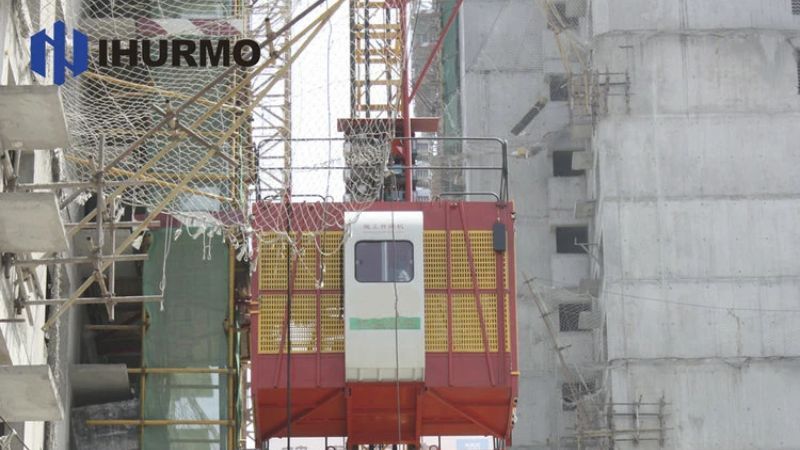
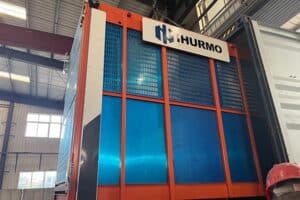
IHURMO 2*2000 KG Construction Passenger Lift
Safety Interlocks and Emergency Systems
Safety interlocks and emergency features help protect you in daily use or when something goes wrong. Door interlocks will stop the cabin if a door is open, keeping you from moving until everything is secure.
There are also overspeed governors. These devices sense if the cabin goes too fast and activate emergency brakes to prevent accidents. Some also have fall arrest devices that trigger instantly if a sudden drop is detected.
Emergency stop buttons are installed in both the cabin and at every landing, which you can press to stop any movement of the cabin at once. When an unsafe situation occurs, there would be audible signals and lights to warn you of errors.
Regulations, Standards, and Compliance
Passenger and material hoists must meet strict rules to ensure safety and proper performance. You need to know what international and local laws require, and follow specific training for safe operation.
Global Safety Standards
International safety standards help guide the design, building, and use of construction equipment. The most recognized standards are set by organizations like ISO (International Organization for Standardization) and EN (European Norms). ISO 16368 is a key standard for construction hoists, detailing safety requirements for design, inspection, and testing.
Manufacturers must ensure their products match these standards before sale or use. Following these rules helps avoid accidents and legal problems.
Local Regulatory Requirements
Specific requirements can vary from country to country, and even between cities. For example, the EU uses CE (CONFORMITE EUROPEENNE) marking, as their mandatory reqiurement for both domestic and foreign products. Also, EN 12159 (European Standard), which is another set of EU standards, covers specifically on regulations for people and materials. These standards focus on load limits, emergency brakes, and regular maintenance. Meanwhile, the United States follows OSHA (Occupational Safety and Health Administration) rules, especially OSHA Standard 1926.552. In the UK, hoists must follow the Lifting Operations and Lifting Equipment Regulations 1998 (LOLER).
Installation and Commissioning Processes
Safe use of passenger and material hoists depends on careful setup, following clear steps, and strict testing before use. Planning, correct assembly, and proper checks are all needed for smooth operation and legal compliance.
Site Assessment and Planning
The first step is checking the site conditions closely, including measuring available space, ground stability, and nearby structures, as well as making sure power supplier and access roads are ready for delivery and setup.
List possible hazards, such as overhead cables, underground utilities, or uneven surfaces. Address these risks in your plan. Review lifting needs—weight, height, and speed—so you choose the best option.
Assembly Procedures
Unpack all components and lay out parts in order and check them against the supplier’s checklist before assembly; make sure nothing is missing or damaged.
Follow the manufacturer’s step-by-step guide for building the structure. Use only trained workers for each part of the build. Attach the mast sections, landing gates, and base frame with the correct bolts and supports. Install all safety devices, such as limit switches, brakes, and barriers, before moving on to the next step.
Testing and Certification
After the assembly, carry out load testing following the manufacturer’s limits. This means placing test weights inside and operating the hoist through its full travel. Watch for any abnormal noise, speed changes, or faults. The hoist must pass all safety tests and meet local regulations, and only then may you put it into service.
Operation and Maintenance
Proper operation and routine care help keep your equipment safe and dependable. Paying close attention to inspections, maintenance, and problem-solving makes daily use smoother and limits downtime.
Daily Inspection Routines
You should check all major systems each day. Start by looking at safety devices, including the emergency stop, limit switches, and safety gates. Make sure there is no damage to control panels, motors, or cables.
Check the hoistway and landing doors for debris or blockage. Make sure warning signs are easy to see and there are no leaks from hydraulic or lubrication systems. Tighten any loose bolts or fasteners. Always test the hoist with no load before using it with passengers or materials.
Keep a daily checklist and record any issues you find. This helps you track recurring problems and shows that inspections are being done.
Scheduled Maintenance Tasks
Every hoist needs scheduled maintenance based on how often it is used. Common tasks include greasing moving parts, checking brake systems, and tightening support structures. You should follow the manufacturer’s maintenance calendar for your model.
Inspect and replace worn-out cables or parts, such as brakes and motors. Check electrical components for signs of wear, corrosion, or overheating. Lubricate guide rails and gears to prevent rust or sticking.
Keep detailed records of all work performed, noting the date and tasks completed. This helps to plan when future service is required and prevents skipped steps.
Troubleshooting Common Issues
When a hoist stops working or shows errors, start by checking power supplies and emergency stop buttons. Reset any tripped breakers and see if controls respond.
If it moves slowly or unevenly, inspect the guide rails and rollers for dirt or damage. For electrical faults, look for blown fuses, loose wires, or problems in the main control box. If the doors won’t close, check switches and sensors for misalignment or blockage.
Always follow lockout procedures before repairs. List out problems and steps you tried. For issues you cannot quickly fix, contact a service technician instead of guessing at repairs.
Common Problems and Quick Checks:
- Hoist will not start: Check power, switches, fuses.
- Sudden stops: Inspect limit switches and safety circuits.
- Noisy operation: Lubricate parts, check for worn-out rollers.
- Uneven lifting: Examine cables and adjust tension.
Frequently Asked Questions
How is a material loading platform typically secured to a building structure?
You usually see a material loading platform fixed to solid building elements like concrete slabs or steel beams. Steel brackets, anchor bolts, and welded connections are commonly used for this task. All fastenings must meet local building codes and engineer specifications for strength and safety.
What is the maximum load capacity for a standard material hoist?
The load capacity depends on the model and manufacturer. Most standard material model can carry between 1,000 to 4,000 kilograms (about 2,200 to 8,800 pounds). Always check the data plate on the instruction and follow the manufacturer’s guidelines.
What are the key differences between temporary and permanent hoist installations?
Temporary ones are designed for short-term use, such as construction projects, and are usually removed when a job is done. They are often quicker to install and dismantle.
Permanent ones are built to stay in place long-term. They often have more robust features, like reinforced support systems and bigger safety margins.