What Constitutes Heavy Machinery
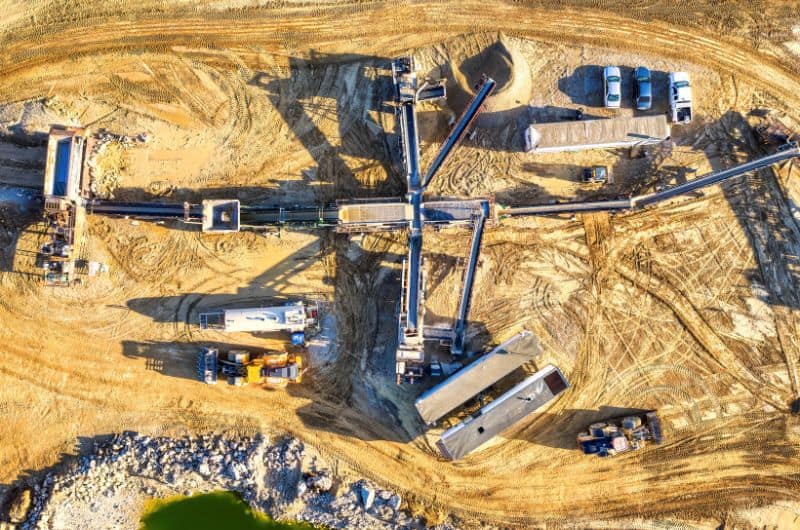
Heavy machinery includes any equipment that weighs more than what workers can safely move by hand. This typically means items over 50 pounds, though the exact threshold varies by workplace standards.
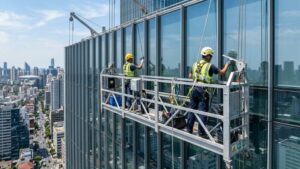
Common examples include industrial motors and generators. Construction equipment like construction hoist, suspended platform, towercrane and scissor lifts also falls into this category.
Principles of Safe Lifting
Core safety requirements include:
- Conducting a thorough site assessment before starting
- Verifying all lifting machinery is inspected and certified
- Ensuring clear communication among all team members
- Maintaining safe distances from power lines and obstacles
- Using appropriate personal protective equipment
Key Methods for Heavy Equipment Lifting
Several established methods and tools are essential for any heavy lift operation:
Cranes
The quintessential heavy lifting equipment, cranes offer unparalleled vertical lift and range. From massive overhead gantry cranes in industrial settings to mobile hydraulic cranes on construction sites, their lifting capacity can span hundreds of tons. Careful rigging with appropriate chains and straps is paramount for securing the load.
Hoists
For more controlled, often smaller-scale lifts, hoists provide precision. An electric hoist mounted to an overhead beam can lift a machine with smooth control.
Jacks and Dollys
For horizontal movement across a floor, specialized jacks can lift a machine just enough to slide skates or dollys underneath. These machine moving tools are engineered for heavy loads and allow for surprisingly easy transport across a smooth, prepared floor. Each dolly or skate has a specific capacity.
How to Transport Heavy Loifting Equipment?
How to Transport Tower Crane?
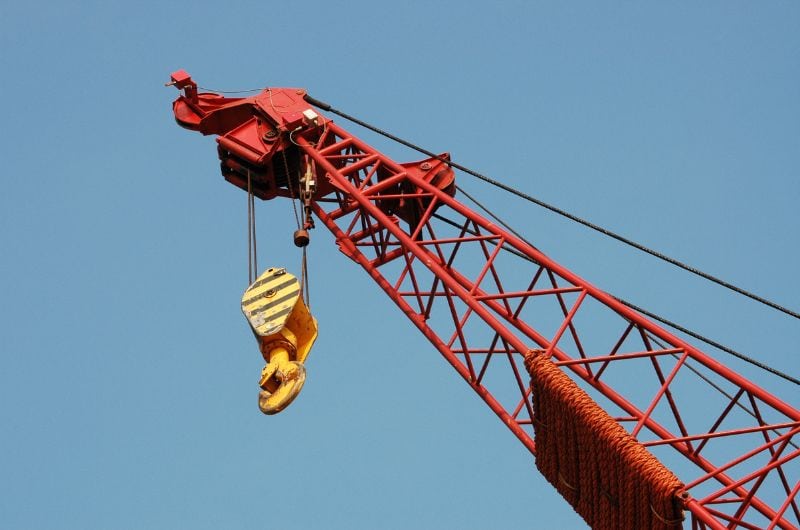
Because of their immense size, tower cranes cannot be moved as a single unit; they must be disassembled into components and hauled using a fleet of specialized vehicles.
The process generally requires 10 to 12 truckloads for a standard crane.
Disassembly for Transport
The mast and other vertical segements are unbolted and stacked.
The Jib should be disassembled into smaller sections. Because of its length, it often requires extendable trailers.
Vehicle Selection
You cannot use standard moving trucks; you need:
- Flatbed Trailers: Used for standard mast sections and stairs.
- Step-Deck or Lowboy Trailers: Used for taller components to ensure they clear bridge heights.
- Extendable Trailers: Necessary for the long, structural sections of the jib.
- Removable Gooseneck Trailers: Ideal for the heaviest components because they can be driven onto or loaded more easily.
How to Transport Suspended Platform?
Do not attempt to transport the platform fully assembled. It is too bulky and prone to structural bending during transit.
Pre-transport
Disassemble the aluminum or steel sections. Stack them flat and secure them with heavy-duty ratcheting straps.
For hoists and safety locks, these are the most expensive and delicate parts. Remove them from the stirrups and place them in padded wooden crates or their original protective housings to prevent impact damage to the electromagnetic brakes.
Coil the steel wire ropes into disks . Secure the coils with wire ties and store them in a dry place.
Never place heavy objects on top of coiled wire, as this can cause localized flattening or kinks.
Vehicle Selection and Loading
Flatbed truck or a large utility trailer is often needed in transporting.
Place the counterweights and outrigger beams at the bottom, directly over the axles of the vehicle to maintain stability.
Outrigger beams should be laid flat and centered on the truck bed. If they overhang the back of the vehicle, you must mark them with a red flag or safety light.
Frequently Asked Questions
How can I safely lift heavy machinery?
You need to start with detailed pre-lift planning before moving any heavy machinery.
Calculate the exact weight of your load and identify its center of gravity to ensure balance during the lift.
Never rely on estimates when it comes to load weight.
Does IHURMO provide support for equipment transport and site setup?
Yes. We offer comprehensive pre-sales services, including site-specific CAD design and layout planning. For global clients, we provide attached technical documentation and offer on-site training and local service to ensure your team can safely disassemble, transport, and reassemble the equipment.