What is a Tower Crane?
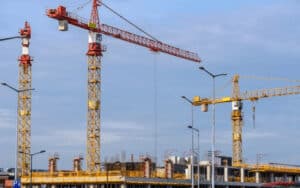
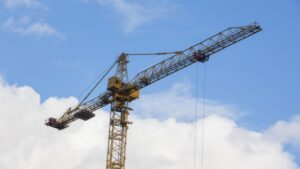
A tower crane is a tall, fixed machine used on construction sites to lift heavy materials to great heights. Tower cranes are anchored to a concrete base and are crucial for building high-rise skyscrapers and large structures.
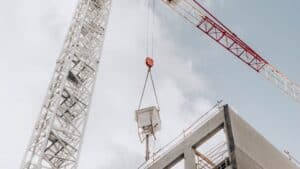
Main parts of a tower crane include the mast (vertical tower for height), the jib (horizontal arm for reach), and the trolley (moves loads along the jib). These cranes can lift 20 to 50 tons or more, depending on the model and crane specifications.
Key components:
- Operator cabin for crane control
- Counterweights for balance
- Hoisting mechanism for lifting
- Slewing unit for 360-degree rotation
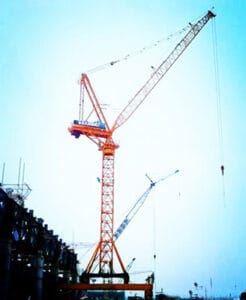
There are different types of cranes for various needs. Flat top cranes are ideal for tight urban sites. Luffing jib cranes have adjustable arms for crowded spaces. Self-erecting cranes are compact and quick to set up, suitable for smaller construction projects.
Key Factors Influencing Tower Crane Pricing
Crane Type and Model Selection
Different types of tower cranes come at different prices. Flat top tower cranes usually cost more than hammerhead models due to their specialized design for tight spaces. Self-erecting cranes are more budget-friendly for small projects, requiring less setup time and crew.
The brand and model also affect crane cost. Premium brands can demand higher crane cost but often offer better warranties and service. Advanced models with enhanced safety and controls may cost more upfront but can reduce labor costs over time. Furthermore, costs vary due to market fluctuation in steel prices and supply chain logistics.
Lifting Capacity and Jib Length
Lifting capacity is a major factor in purchase cost, particularly for hydraulic cranes. A 25-ton tower crane costs less than a 100-ton model. When asking “how much does a crane cost?”, the weight it can handle is always the primary variable.
Jib length impacts your budget too. Cranes with longer jibs cost more to rent, install, and transport due to additional counterweights and special delivery requirements.
Tower Height and Project Requirements
Taller tower cranes demand significantly higher investments across multiple factors and cost categories. Foundation requirements become more demanding as tower height increases, requiring deeper footings, more reinforcement, and stronger concrete specifications. A tower crane designed to reach 200 feet requires substantially more investment than one specified for a 100-foot structure, both in equipment cost and installation expenses.
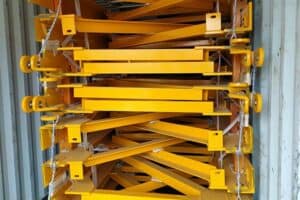
Assembly complexity increases proportionally with height, requiring more tower sections, additional climbing procedures, and extended installation timeframes. Each additional tower section adds material costs and labor hours to your project budget.
Site Conditions and Accessibility
Challenging site conditions can raise setup costs by 10% to 40%. Poor soil may require extra foundation work. Limited access might need smaller delivery vehicles or even helicopter lifts, increasing transportation costs and delivery fees.
Urban construction sites often need municipal permits, traffic management, or special installation schedules, adding $5,000 to $20,000. Rural or pipeline sites may have longer delivery distances but usually easier access.
Advantage of Buying a Tower Crane Rather Than Rental
Purchasing a crane is often best for construction companies with multiple long-term projects. The purchase cost ranges from $250,000 to $1,500,000, but you avoid monthly rental fees of $10,000 to $40,000.
If your crane will stay on-site for more than 12-18 months, purchasing often costs less than renting, especially when considering the overall crane rental expenses. You gain full control over the equipment and can specialize it for your needs.
Ownership builds equity in your fleet. Unlike rental payments, a purchased crane becomes an asset. You can depreciate it for taxes and eventually sell it to recover some of your investment.
- No rental rate increases during long projects
- Freedom to modify or upgrade components
- Ability to rent your crane to others when it is idle
- Lower monthly costs after the purchase is paid off
How to Choose the Right Crane for Your Need?
Choosing the right tower crane requires careful planning. Consider your building’s height, the maximum weight you need to lift, and available space on your construction site.
- Maximum weight to lift
- Distance loads must travel from the tower
- Space available on site
- Ground and foundation conditions
- Weather factors
Lifting capacity is crucial. Cranes lift different weights at different distances—a crane might handle 20 tons close to the tower but less at the jib’s end. Check the load chart for each model.
For tight urban sites, flat-top or self-erecting tower cranes are ideal. If your project involves frequent heavy lifts, choose a model with higher capacity and robust components.
| Crane Type | Best For | Typical Capacity |
|---|---|---|
| Small Tower Crane | Low-rise buildings | 4-8 tons |
| Medium Tower Crane | Standard urban projects | 10-15 tons |
| Large Tower Crane | High-rise construction | 20+ tons |
Budget for both purchase cost and yearly maintenance—expect to spend $300,000 to $1.5 million upfront, plus $10,000 to $20,000 per year for repair and upkeep.
Your Trusted Partner for Lifting Solutions
As a premier supplier of tower cranes and a wide range of construction lifting equipment, IHURMO is a leader in the industry. We provide high-quality machinery for any project, from high-rise buildings to smaller constructions. For expert guidance and to find the perfect equipment for your needs, contact us today.
Frequently Asked Questions
What additional costs should be considered when budgeting for a tower crane?
Beyond the rental or purchase price, budget for site preparation and foundation work, insurance and permits, operator certification and wages, regular maintenance and inspections, and fuel or power costs. Assembly and disassembly fees also add significantly to the overall expense.
Can I relocate my tower crane between projects, and what does that cost?
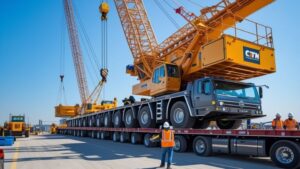
Yes, a tower crane can be relocated, but this incurs costs for transportation, reassembly, and any necessary permits or inspections. Expenses vary based on distance and site conditions.
What power supply requirements do tower cranes need?
Most tower cranes require three-phase electrical service ranging from 200 to 600 amps at 380–480 volts depending on capacity. Remote sites without reliable grid power may need on-site generators (100–300 kW), adding USD 20,000 to USD 60,000 in equipment and fuel costs. Confirm voltage compatibility when purchasing internationally.