What is Construction Inspections?
A construction site inspection is a systematic review of your jobsite to confirm everything meets required standards.
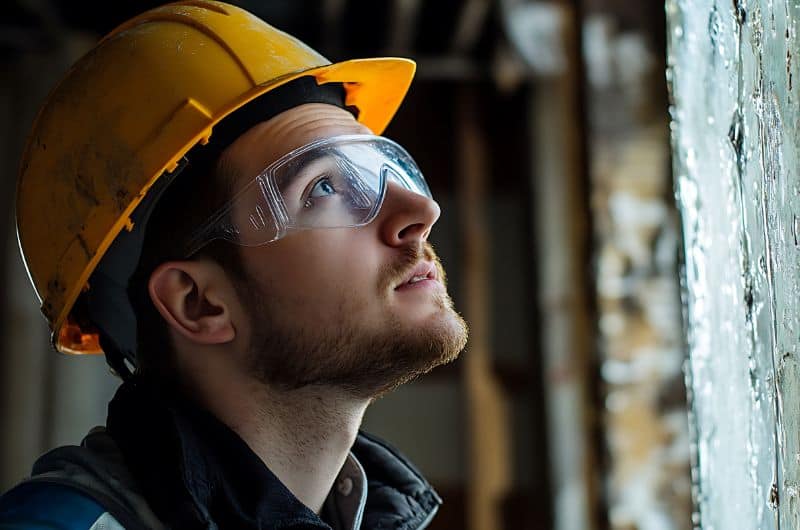
An inspector walks through your site with an inspection checklist to examine specific elements like foundation work, structural components, electrical systems, and safety measures.
Constrction Machinery Inspection 2026
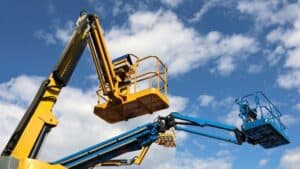
Inspecting construction machinery—from suspended platform to cranes —is a daily requirement to ensure site safety and equipment longevity.
In 2026, these inspections are increasingly driven by digital documentation and new safety standards.
The inspection process generally follows three stages: The Walk-Around, The Cab Check, and The Operational Test.
As of 2026, OSHA and other regulatory bodies are moving toward digital-first documentation. Paper logs are increasingly being replaced by mobile apps or QR codes on the machine. “I checked it” is no longer enough; inspectors now look for time-stamped digital records with photos of critical components.
Types of Construction Inspections
Safety Inspections
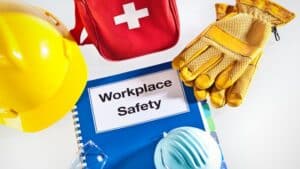
Construction safety inspections protect workers and visitors on your site. These checks identify hazards like fall risks, electrical dangers, heavy machinery problems, and improper scaffolding before accidents happen.
Daily safety is also needed in addition to formal inspections. Falls cause most construction injuries.
Quality Control Inspections
Quality assurance programs like ISO 9000 provide frameworks for consistent inspection processes. Structural inspections focus on your building’s framework and load-bearing elements.
Code Compliance Inspections
Building inspections verify that your construction follows local building codes and zoning regulations.
Foundation inspections happen before you pour concrete.
Framing inspections check that your walls, floors, and roof structure meet code requirements for size, spacing, and connections.
Mechanical, electrical, and plumbing inspections verify that systems are installed correctly and safely.
The final inspection is your last code check before occupancy.
Environmental Inspections
Environmental inspection ensures the construction project complies with environmental regulations and minimizes ecological impact.
Dust control is also checked to meet air quality standards.
Environmental inspections confirm safe storage and disposal of items like lead paint, asbestos, and chemical waste. Dust control is also checked to meet air quality standards.
Common Safety Hazards
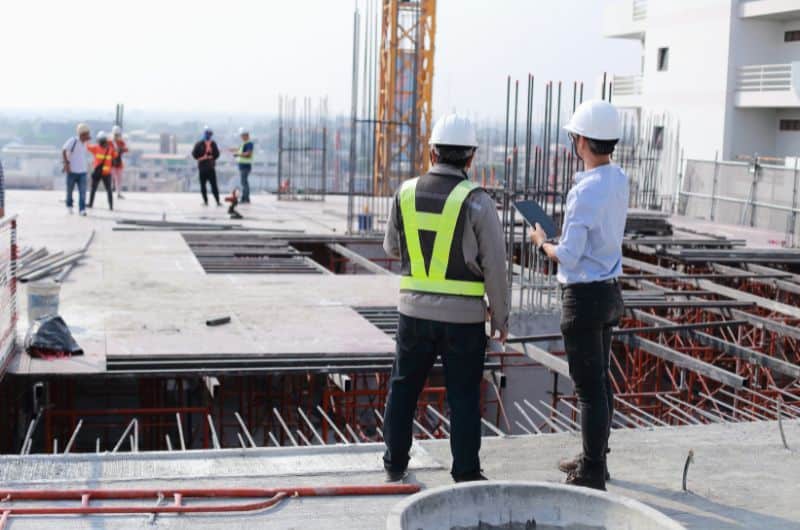
Construction safety depends on the ability to identify and address common hazards before they cause injuries.
The most frequent risks include falls from heights, electrical hazards, struck-by incidents from moving equipment or falling objects, and caught-in or caught-between dangers involving machinery or collapsing structures.
During your site safety inspection, pay attention to inadequate lighting, unstable scaffolding, and improper ladder usage. These hazards often go unnoticed until an accident occurs.
Fall Protection Systems
Falls remain the leading cause of construction fatalities. You need proper fall protection systems whenever workers operate at heights of six feet or more.
Primary fall protection methods include:
- Guardrail systems with top rails, mid-rails, and toe boards around elevated work areas
- Safety net systems positioned below work surfaces to catch falling workers
- Personal fall arrest systems consisting of full-body harnesses, lanyards, and secure anchor points
Fall protection systems must meet specific requirements. Guardrails should stand 42 inches high with mid-rails positioned halfway between the top rail and working surface.
Ihurmo Suspended Platform Inspection
Pre-Shift (Daily) Inspection
Before any worker steps onto the platform, a competent person must conduct a visual check.
- Hoist & Braking: Test the up/down functions and ensure the primary and secondary (emergency) brakes engage immediately.
- Wire Ropes: Check for bird-caging, kinks, corrosion, or broken strands. Ensure there is enough “tail” on the rope.
- Platform Structure: Look for cracks in welds, bent guardrails, or debris on the deck that could cause trips.
- Power Source: Inspect cables for frays or exposed wires. Ensure the GFCIs are functional.
Rigging & Anchorage Inspection
Safety starts at the top of the building, not just on the platform.
- Outrigger Beams: Ensure they are level and securely fastened.
- Counterweights: Verify they are the correct weight according to the manufacturer’s specifications and are physically secured to the beam.
- Tie-backs: Check that tie-backs are installed at a 90-degree angle to the building face and secured to a structural member of the building, not a vent or pipe.
Inspection Checklist Summary From Ihurmo
| Component | What to Look For | Status (Pass/Fail) |
| Hoists | Smooth operation, no unusual noises | |
| Wire Rope | No kinks, no more than 10% broken wires | |
| Stirrups | Securely bolted to the platform | |
| Guardrails | Mid-rails and toe-boards in place | |
| Anchorage | Counterweights secured and labeled |
Frequently Asked Questions
What does a typical construction inspection checklist include?
A construction inspection checklist covers safety measures first, including proper barricades, scaffolding stability, and fall protection equipment. Inspectors look for hazards that could harm workers or visitors to the site.
Structural elements get examined for compliance with building codes. This includes checking foundation depth, rebar placement, lumber sizes, and connection hardware.
The checklist also covers utility rough-ins like electrical wiring, plumbing pipes, and HVAC ducts. Inspectors verify that these systems meet code requirements for sizing, spacing, and installation methods.
How often are construction inspections required during a project?
The number of required inspections depends on your project type and scope. A simple room addition typically needs five inspections: footing, foundation, rough-in, insulation, and final.
Larger projects require more frequent inspections at each phase of construction.
Where can I search for building permits in my area?
Visit your local building department’s website to access their permit search tool. Most jurisdictions now offer online databases where you can search by address or permit number.