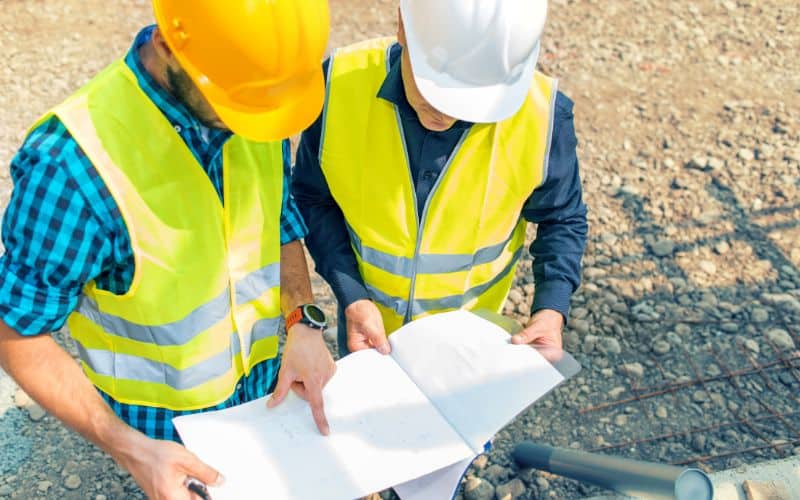
Why Construction Equipment Management is Important?
Construction equipment management is a consistent, systematic process of evaluating a company’s equipments and its associated costs against the demands of current projects.
The core objective is striking an optimal balance between equipment utilization, operating expenses, and project income, ensuring that every machinery can be used wisely.
Here are the benefits of manage your construction equipenment:
- Enhanced Equipment Longevity: Proactive care prevents minor issues from snowballing into catastrophic failures. Regular maintenance extends operational life, delaying costly capital expenditures for replacements.
- Significant Reduction in Safety Risks: Well-maintained equipment operated drastically lowers the risk of accidents, injuries, and OSHA violations.
- Improve efficiency: Ensure that each machine is fully utilized and no resources are wasted.
How to Build Your Management System
Mastering construction equipment management requires a holistic approach, addressing people, processes, data, and technology.
You can implement a unified construction equipment management software platform, cause siloed spreadsheets and paper logs lead to errors, inefficiency, and blind spots. Centralization provides real-time visibility and control.
Track all owned equipment – owned, rented, leased – with key specs like model, year, serial, location, and current status (available, deployed, under repair).
With Feeding data from the central system, you can have a 360-degree view.
Maximizing Asset Productivity is also importmant.
Target rates vary by asset type but consistently below 60-70% for major assets warrants analysis. You should schedule tasks efficiently, reducing waiting time. Optimize transport logistics between sites.
5 Tips for Better Managment
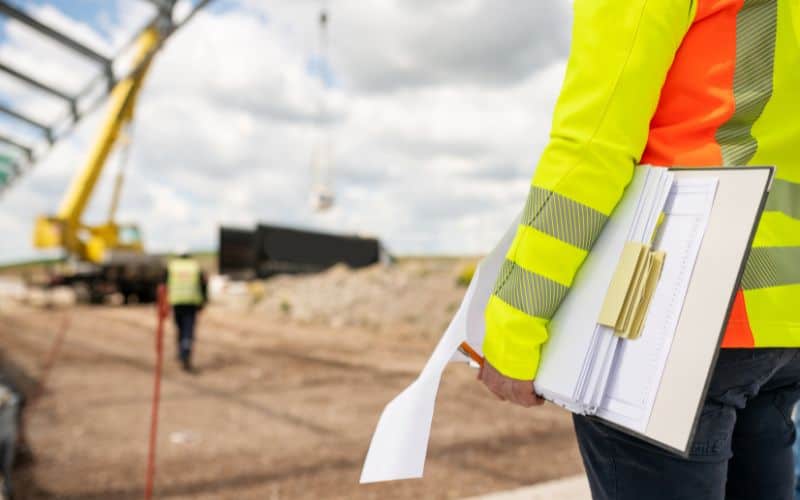
Efficiently managing your construction equipment is key to a project’s success. Here are some strategies to help you get the most out of your machinery.
Set Clear Rules and Guidelines
Establish written rules for how to handle equipment safely and correctly. This information, easily accessible to all team members, helps reduce wear and tear, minimizes repair costs, and improves safety.
Ensure Proper Storage
To extend the life of your equipment, store it properly when not in use. Shielding machinery from the elements prevents rust and other damage.
Develop Communication Plans
Create a clear plan can ensures issues are addressed quickly and efficiently.
Respect Equipment’s Limitations
Never use equipment for tasks it isn’t designed for or push it beyond its limits. Misuse can lead to damage, poor work quality, and potential injuries.
Monitor Equipment Use
Track how often each piece of equipment is used. Overuse can lead to increased maintenance and replacement costs.
IHURMO Equipment Basic Management Protocols
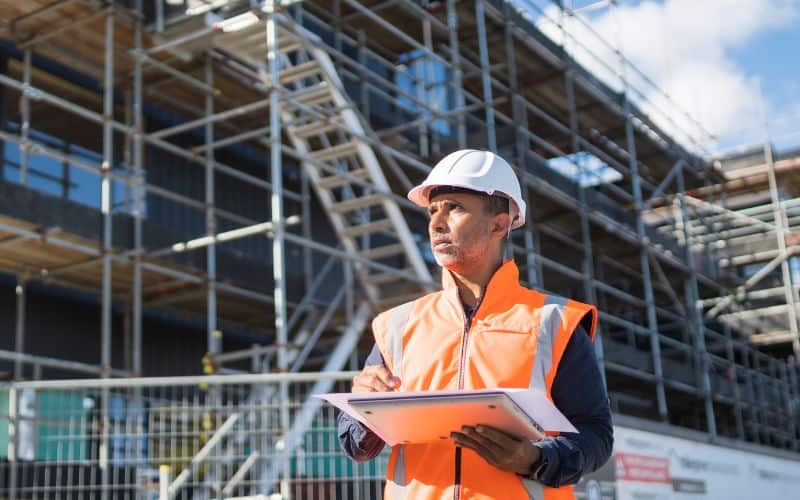
Tower Cranes
Operations
- Daily Checks: Wire ropes, hooks, brakes, controls, security of bolts.
- Lift Planning: Address blind spots, proximity to power lines, weather.
- Communication: Mandatory radios or signaling systems.
Maintenance
- Scheduled: Lubrication, structural bolt torque checks, electrical systems.
Material and Personnel Construction Hoists
Safety Systems
- Overspeed governors, safety brakes, and emergency stop buttons tested monthly.
- Base frame alignment; tie-in inspections at each jump.
Maintenance
- Weekly lubrication of guide rails; monthly gearbox inspections.
Suspended Platforms
Daily Protocols
- Pre-use Checks: Wire ropes, guardrails, emergency descent, loose tools.
- Weather: Wind speed ≤25 km/h; suspend work during storms.
Maintenance
- Rope replacement per manufacturer lifespan; motor and gearbox servicing.
Conclusion
In essence, effective construction equipment management is not merely an operational task; it is a strategic imperative for construction companies.
Good construction equipment management directly impacts the bottom line and productivity of any construction project.
Ensuring that each piece of equipment – from heavy equipment to specialized machinery – is the right equipment for the task, optimally utilized, and meticulously maintained.
Implementing best practices, including regular maintenance via strict maintenance schedules, thorough inspection, and proactive repair strategy, minimizes downtime, prevents unexpected breakdown, and reduces costly equipment damage and repair costs caused by unchecked wear and tear.
Leveraging construction equipment management software allows project managers to monitor equipment health, optimize equipment utilization, track equipment usage, manage equipment, and significantly optimize overall equipment costs.
Frequently asked questions
What are the four types of management in construction?
Project, Risk, Resource, and Contract Management.
Does Ihurmo provide construction equipment management service?
While Ihurmo doesn’t offer equipment management services, the high-quality products come with full certifications to minimize your maintenance time significantly. Contact for further support.
What are the three types of equipment maintenance?
Preventive, predictive and corrective.