 English
  French
  Spanish
  Portuguese
  German
  Russian
  Italian
  Dutch
Dutch  Romanian
  Turkish
  Greek
Greek  Urdu
Urdu  Amharic
  Bengali
  Hindi
Hindi  Indonesian
  Arabic
  Thai
Thai Knowing when to use a winch or a hoist helps you keep things safe on the job. A winch provides horizontal traction for load positioning, while hoists are designed for vertical lifting and lowering of loads. Choosing the right tool depends on what you need to move and how you need to move it.
Understanding the basic differences will help you pick the right tool for your project. Follow Ihurmo for more premium choices, and let us break down the key differences with this article so you can make the smarter decision.
How Winches Work
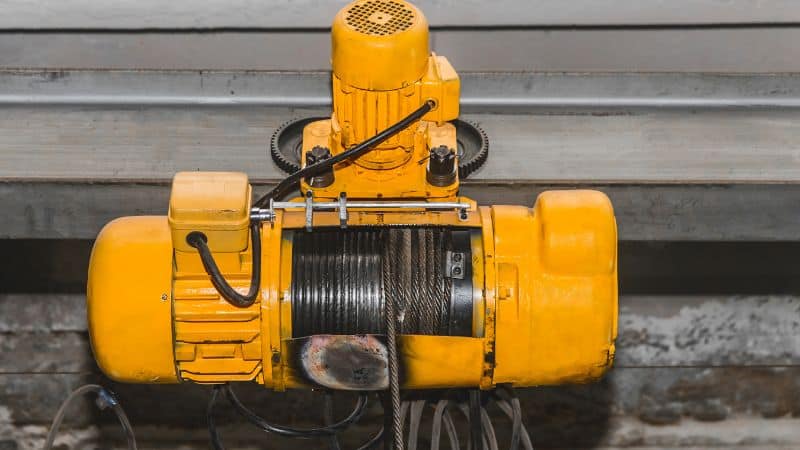
Winches pull heavy objects by winding a cable or rope around a drum. They operate using different power sources, and each type has its own strengths and main uses.
Winch Mechanisms
A winch uses a drum, usually made of metal, to hold and wind up a wire rope or strong cable. You control the winch either by hand or with a motor. When you turn the handle or start the motor, the drum spins, pulling the cable in.
Gears inside the winch increase mechanical advantage. This lets you pull or lift heavier loads safely. Most winches also have a load break system to hold the load steady, even if you let go.
Some winches are built for pulling objects along the ground, while others are made for lifting straight up.
Types of Winch
You can choose from manual, electric, or hydraulic winches. Your choice depends on the job and where you use the winch.
- Manual Winches use a hand crank. These are good for lighter loads or when you do not have power access.
- Electric Winches work with a motor and need a battery or power source. They are common on vehicles and can pull much heavier loads compared to manual winches.
- Hydraulic Winches use fluid power from a pump. These are often seen on tow trucks or in industry, where strong pulling power and long run times are needed.
Electric winches are popular because they are easy to use and reliable. Each type of winch is best for certain tasks, so it’s important to match the winch to your needs for safety and efficiency.
How Hoists Operate
Hoists are used to lift heavy loads straight up and down. You will find different designs, mechanisms, and power sources to fit many lifting needs.
Hoist Mechanisms
A hoist uses a lifting medium (chain or wire rope) that runs over a drum or lift-wheel. When you operate the hoist, the drum turns, winding the lifting medium to move the load vertically.
Manual hoists, often called chain hoists, need you to pull a hand chain to lift loads. Industrial settings typically utilize electric hoists which have a motor for lifting. These are easier if you need to move heavier objects since the motor does the work. Also, most hoists include a brake or locking system to keep the load from falling if power is lost or your grip slips.
Varieties of Hoists

IHURMO Double Cage Rack and Pinion Elevator for Construction
There are several types of hoists you might use. Chain hoists are common for smaller jobs or where you only lift goods sometimes. They are portable and simple to use.
Wire rope hoists are often used for heavier or more frequent lifting, such as on construction sites or in factories, and are less likely to break under large loads.
Manual hoists are powered by hand. They are useful when electricity is not available. Electric hoists are powered by electricity and are faster, making them a good choice for business settings.
Differences in Applications and Use Cases
Winches and hoists serve different needs on job sites.
In construction sites, winches pull loads across flat ground but do not lift them. They are also common in marine and utility work where you need to move heavy items horizontally.
Hoists, on the other hand, are made for lifting things up and down. In industrial settings and manufacturing, hoists raise heavy materials or equipment to higher levels.
If you need to move something up and down, such as lifting steel beams or machinery, a hoist is usually the tool you need. Hoists are designed with special brakes and safety systems for vertical lifting support.
| Task | Winch | Hoist |
|---|---|---|
| Pulling | Yes | No |
| Lifting | No | Yes |
| Towing | Yes | No |
| Construction | Horizontal movement | Vertical lifting |
| Industrial Use | Limited | Common |
Differences in Load and Capacity Considerations
Choosing between a winch and a hoist depends largely on the type of load, how much weight you need to move, and whether you need to pull, lift, or lower loads. Comparing pulling capacity, tension needs, and manufacturer specifications helps you pick the right tool for your job.
Pulling versus Lifting Loads

A winch is built for pulling loads along a flat or slightly inclined surface. You use winches to drag heavy objects like vehicles, logs, or machinery across the ground. A hoist, in contrast, is made to lift objects vertically. This means you use a hoist to raise heavy items straight up or lower them down.
When lifting, gravity adds tension. A 1,000-pound load weighs exactly that much on a hoist, while dragging that weight with a winch often requires less force because rolling or sliding friction is lower than lifting against gravity. Winches are not designed with the braking or locking systems needed for suspending loads. Hoists include these features to keep loads secure while lifted.
Tension and Traction
Tension is how much force gets put on the cable or rope. Pulling on a level surface usually requires less tension compared to lifting, which always needs to overcome both gravity and the load’s full weight. Traction is about how much grip you need to keep the cable or rope from slipping.
- Winches focus on traction so they can pull with steady force along the ground.
- Hoists focus on holding tension steady while lifting and lowering.
When lowering a load, a hoist’s brake or locking system helps control descent, so the load does not drop suddenly. You should never use a winch to lift or suspend loads above ground. Winches usually don’t have the right tension control or mechanical brakes for safe lifting or holding.
Specifications and Limits
Always check the manufacturer’s specifications for pulling capacity or load rating. Winches list a pulling capacity, which means the maximum weight you can pull along the ground. Hoists list a lifting capacity, which is how much weight you can lift vertically and hold suspended.
Load ratings must never be exceeded. Using equipment above its rated limit can lead to cable failure or dropped loads. Pay attention to power source, cable length, and any warnings in the manual about angles or how to attach the load.
Differences in Reliability and Durability Factors
Winches and hoists are built for different jobs. The materials used and how you care for the equipment will affect how long it lasts and how well it works.
Material and Build Quality
Winches often use steel gears and thick cables for pulling heavy loads sideways. The frame is made to handle back-and-forth strain, not lifting. You may find more models with cast iron or steel cases, which help protect the inside parts from damage.
Hoists deliver loads up and down, so they need different safety features. They’re usually made with high-strength alloy chains or synthetic straps and have locking brakes that hold weight securely. The housing is often reinforced to guard against falls or drops and to stand up to long hours of lifting.
A table can help compare the basics:
| Factor | Winch | Hoist |
|---|---|---|
| Main Material | Steel gears, cables, iron frame | Alloy chain, straps, thick housing |
| Load Direction | Horizontal | Vertical |
| Safety | Basic brakes | Locking brakes, high safety rating |
Maintenance and Service
Both winches and hoists need regular care to stay reliable. Grease moving parts and check cables or chains for signs of wear or rust. Replace damaged parts right away, especially if you see fraying on cables or cracks in chains.
Winches require you to check the cable winding and keep the winch drum clean. Loose or tangled cables are a hazard and can cause the motor to fail. You’ll also need to inspect for mud or debris that can wear down gears.
Hoists need attention to their brake systems and chains or straps. Oil the chain links, test the brake, and make sure all bolts are tight. A worn brake or bent hook lowers safety.
Frequently Asked Questions
Can an electric hoist be used for the same applications as a winch?
Electric hoists deliver loads straight up and down. They are not designed to pull things across a surface.
Winches are made for pulling loads horizontally or at an angle but are not built for lifting. You should not use a hoist to pull or a winch to lift, as this can cause accidents or damage.
What are the safety considerations when operating a hoist or a winch?
You must always check the maximum load rating before use. Do not exceed this limit.
Inspect equipment and cables for damage before every job. Keep hands, feet, and clothing clear of moving parts.
Stay clear of the load path and never stand under a hanging load. Follow safety guidelines and communicate with team members to avoid confusion.
What are the training requirements for operators handling hoists and winches?
Operators usually need training on the specific equipment they will use. This includes learning about safe operation, emergency stops, and basic maintenance.
Some jobs may require certification or a safety course, especially in industrial or construction settings. Your employer or local regulations may set extra rules you must follow.