

All Blogs
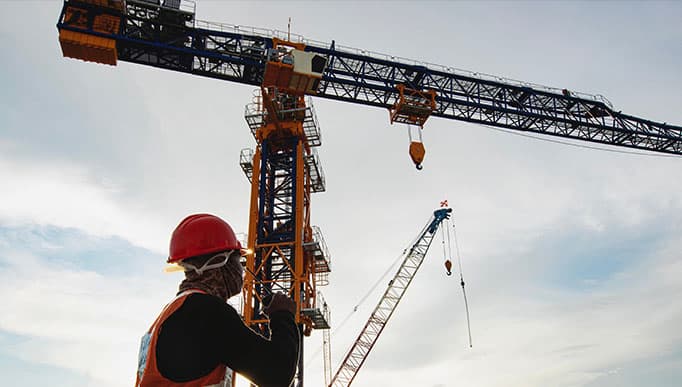


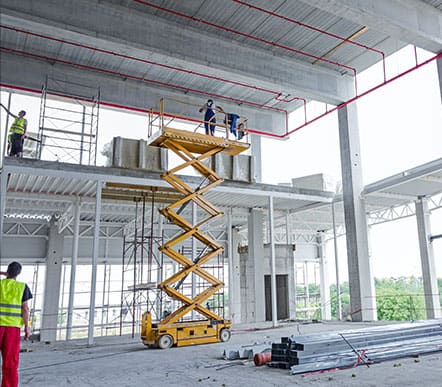
The Ultimate Guide to Construction Equipment Management
Why Construction Equipment Management is Important? Construction equipment management is a consistent, systematic process of evaluating a company's equipments and its associated costs against the demands of current projects. The core objective is striking an ...

How to Choose a Material Hoist for Construction Project
IHURMO's goal is to empower you with the knowledge and tools to make an informed, confident decision. This guide cuts through the noise, providing a data-driven framework and in-depth analysis to help you navigate the ...

Why Don’t Tower Cranes Fall Over? The Science of Crane Stability
Tower cranes are essential for lifting heavy loads and reaching impressive heights on construction sites. Their stability is a result of precise engineering, careful assembly, and strict safety procedures. Here’s how these machines remain upright ...
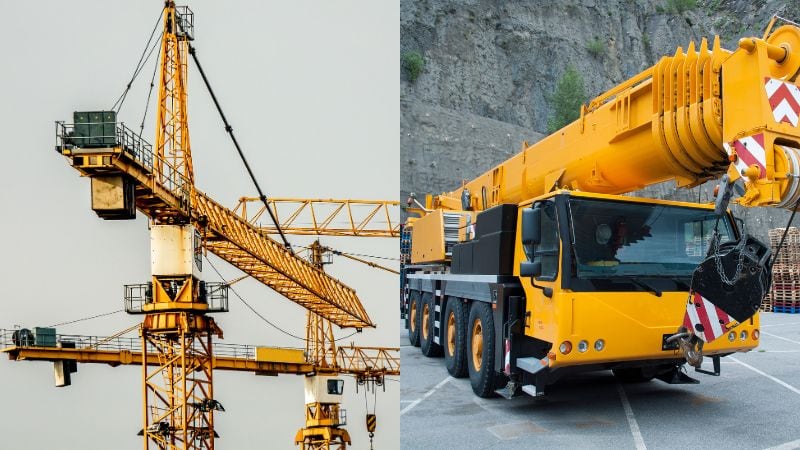
Passenger and Material Hoist Safety Standards and Key Applications
When observing any construction site with high-rise buliding, you would often notice certain types of vertical transportation elevators attached to the outer walls of the buildings. These machines, known as passenger and material hoists, are ...

Winch vs Hoist: The Key Differences
Knowing when to use a winch or a hoist helps you keep things safe on the job. A winch provides horizontal traction for load positioning, while hoists are designed for vertical lifting and lowering of loads. Choosing the ...
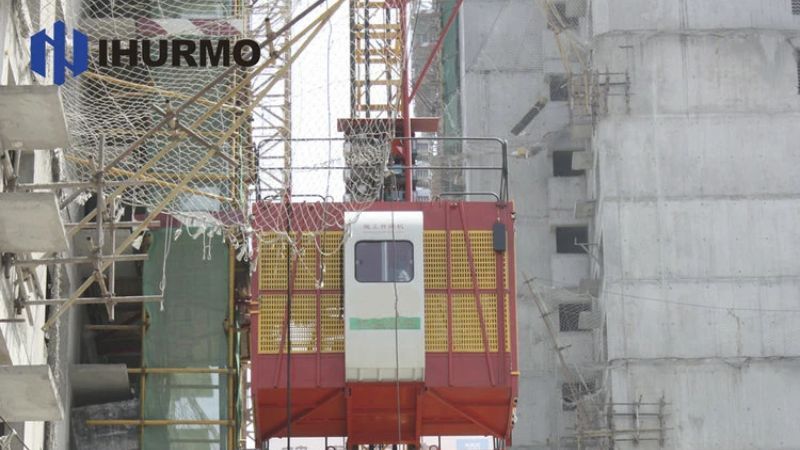
Scissor Lift vs Forklift vs Aerial Lift: OSHA & Key Differences
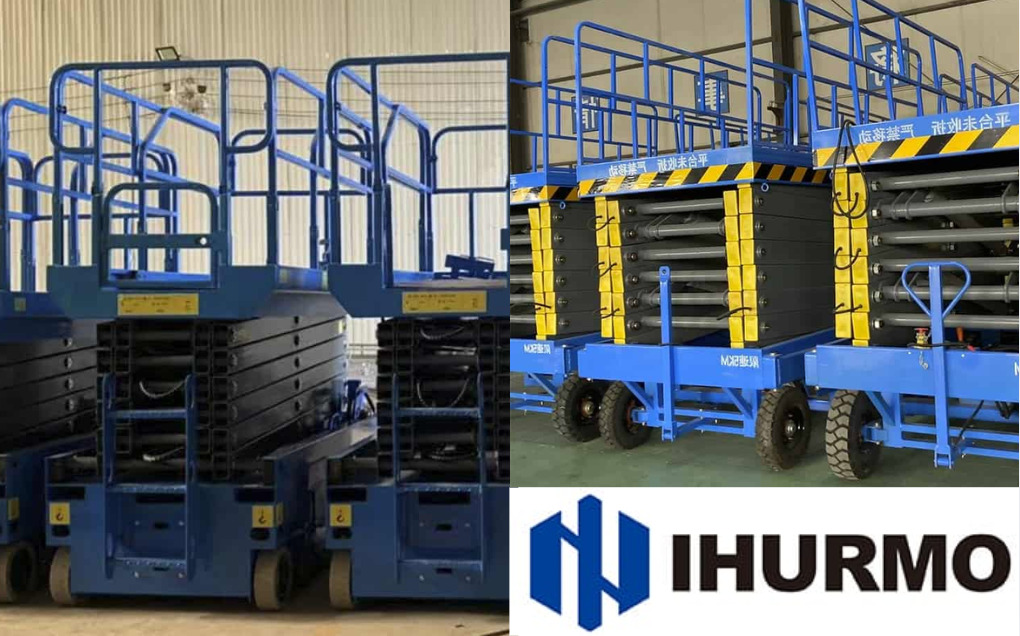
Understanding the key features, advantages, and limitations of scissor lifts and forklifts helps you select the option that best fits your needs. Key Considerations: Purpose: Scissor lifts support work at heights; forklifts transport heavy loads Project ...
How Was the First Crane Built? Origins, Design, & Evolution
From ancient temples to today’s skyscrapers, cranes have been essential for lifting and building. The story of the crane’s invention shows how simple ideas grew into powerful machines that shape our construction sites and cities. ...

What Is Luffing in Crane? Functions, Jibs, and Crane Types Explained
Luffing is a key movement in many modern cranes, allowing the boom or jib to pivot up and down. This function is especially valuable for construction sites with limited space, as it enables precise load ...
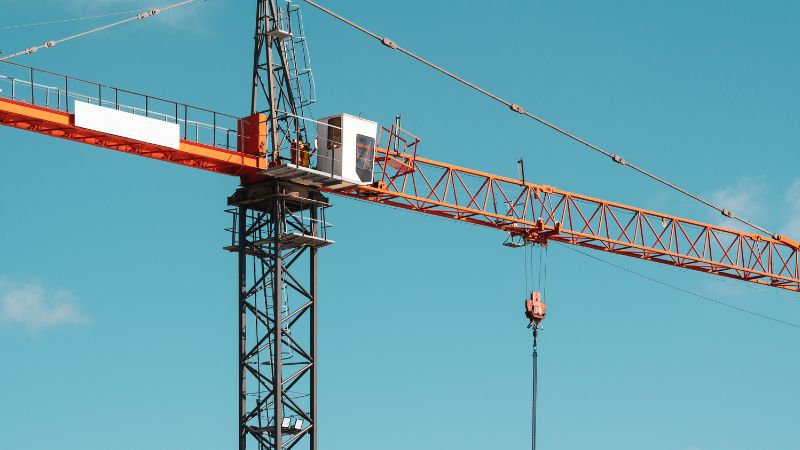
Crane Wind Speed Limit: What Need to Know for Safe Lifting
Wind ranks as the second leading cause of crane-related accidents globally. American National Standards Institute (ANSI) documented 1,125 tower crane accidents worldwide between 2000 and 2010, resulting in over 780 fatalities, 23% of these incidents ...
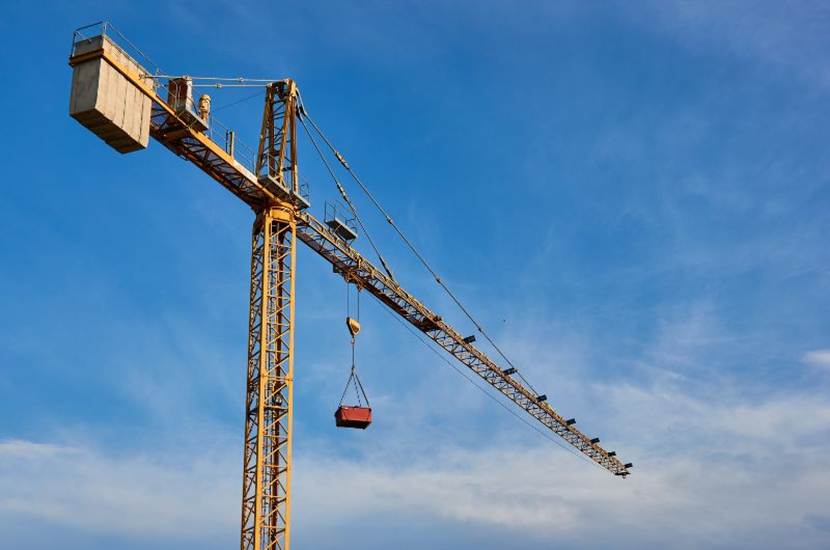
Crane Rigging: Hardware Solutions in Tower Crane
What is Crane Rigging? Crane rigging refers to the process of preparing and securing loads before lifting them with a crane. This includes selecting the right equipment, attaching it to the load correctly, and ensuring ...
