Workplace safety violations can put your employees at risk and lead to serious penalties for your business.
The Occupational Safety and Health Administration (OSHA) classifies violations into six main types: de minimis, other-than-serious, serious, willful, repeated, and failure to abate, with fines ranging from no penalty to over $136,000 per violation.
Every year, thousands of businesses face OSHA citations for safety violations. This guide breaks down each type of OSHA violation, explains the penalties you might face, and shows you how violations are discovered.
Understanding the Different Types of OSHA Violations
OSHA classifies violations into six main categories based on severity and intent. Each type carries different penalties and reflects how serious the safety hazard is to workers.
Serious Violations
A serious violation happens when your workplace has a hazard that could cause death or serious physical harm.
Common examples include missing machine guards, lack of fall protection, or exposed electrical wiring. The fine for each serious violation can reach up to $16,131.
Other-Than-Serious Violations
These violations relate to job safety and health but probably wouldn’t cause death or serious harm. You might get this citation for failing to post required OSHA notices or minor recordkeeping errors.
Willful Violations
A willful violation is the most severe type. It means you intentionally ignored OSHA rules or showed plain indifference to worker safety. Penalties range from $11,524 to $161,323 per violation.
Repeated Violations
You get a repeated violation when OSHA finds the same problem during another inspection. This shows you didn’t fix a previously cited hazard.
Additional OSHA Violation Categories
Beyond the main violation types, OSHA has three specialized categories that address specific compliance issues you should know about. These cover ongoing problems, minor technical issues, and documentation requirements.
Failure to Abate Violations
A failure to abate violation happens when you don’t fix a safety hazard by the deadline OSHA gave you. When OSHA issues a citation, they include a specific date for correcting the problem. If you miss that deadline, you’ll face daily fines until you fix the issue.
The penalties add up fast. You can be charged up to $16,131 per day for each violation that remains unfixed. These fines continue until you correct the hazard and OSHA confirms the fix.
De Minimis Violations
De minimis violations are the least serious category. These are technical violations that have no real impact on your workers’ safety. OSHA won’t fine you for these issues.
However, inspectors still document de minimis violations in your file. They’ll also tell your employees about them verbally. An example would be having ladder rungs spaced 13 inches apart instead of the required 12 inches.
Posting Requirement Violations
You must display certain OSHA notices and documents at your workplace. This includes the OSHA poster explaining worker rights and any citations you receive.
Penalties and Consequences for OSHA Violations
OSHA enforces workplace safety through financial penalties that vary based on violation severity, plus potential criminal charges for serious offenses.
OSHA Citations and Civil Penalties
When OSHA finds safety violations during an inspection, they issue citations that detail what you did wrong. These OSHA citations come with civil penalties based on violation severity.
You must post any OSHA citation at or near the violation site for at least three working days or until you fix the problem. You can request an informal conference within 15 working days or resolve the issue by the specified deadline.
Criminal Charges and Legal Ramifications
Criminal charges apply in extreme cases beyond standard civil penalties. If you provide false information to OSHA during investigations, you face criminal prosecution including fines and possible imprisonment. Willful violations causing worker deaths can also trigger criminal charges against responsible managers or business owners.
How OSHA Violations Are Discovered and Prevented
OSHA inspections catch workplace hazards before they cause harm. Regular safety audits and strong training programs help you stay ahead of violations and protect your workers.
The OSHA Inspection Process
OSHA inspections happen for several reasons. They might come from employee complaints, workplace injuries, or random checks in high-risk industries. When an inspector arrives, they’ll review your safety documentation and recordkeeping.
The inspector walks through your workplace looking for hazards. They check for common issues like missing fall protection, improper ladder safety, and inadequate personal protective equipment. You have the right to accompany the inspector during the walkthrough.
After the inspection, OSHA sends you a report. If they found violations, you’ll get citations with deadlines to fix the problems.
Common OSHA Violations and Examples
Fall protection tops the list of violations every year. Workers on roofs or elevated surfaces need proper harnesses and guardrails.
Hazard communication violations happen when chemicals lack proper labels or safety data sheets. Your workers need to know what they’re handling.
Other frequent violations include:
- Ladder safety – unstable positioning or damaged equipment
- Scaffolding safety – missing guardrails or improper setup
- Respiratory protection – no fit testing or maintenance
- Machine guarding – exposed moving parts
- Lockout/tagout – skipping energy control procedures
- Eye and face protection – missing goggles or shields
- Powered industrial trucks – untrained forklift operators
Workplace Safety Programs and Training
Safety training prevents most violations. Your workers need clear instruction on safety standards for their specific tasks. Fall protection training teaches proper harness use and hazard recognition.
Train employees when you hire them and when their jobs change. Regular refresher sessions keep safety fresh in everyone’s mind. Document all training sessions with dates and topics covered.
Create written safety programs for high-risk areas. Your lockout/tagout program should explain how to control hazardous energy. A respiratory protection program needs fit testing and medical evaluations.
Maintaining Compliance Through Safety Audits
Safety audits catch problems before OSHA inspectors do. Schedule regular checks of your workplace to spot hazards early. Look for the same issues OSHA inspectors target.
Check your recordkeeping during audits. You need injury logs, training records, and inspection reports organized and current. Review your hazard communication program to ensure all chemicals are properly labeled.
Fix any problems immediately. Document what you found and how you corrected it. These records show OSHA you’re serious about safety if they inspect your workplace.
Secure Your Construction Site with IHURMO
With CE, EAC, and ISO 9001 certifications, IHURMO equipment is built to help you avoid the hazards that lead to OSHA serious violations. At IHURMO, we provide a One-stop Construction Equipment Solution designed to keep your projects efficient and your workers protected. Since 2001, we have specialized in manufacturing durable and mature technology, including:
- Tower Cranes: Hammerhead, Luffing Jib, and Topless models.
- Work Platforms: Mast Climbing Work Platforms and Scissor Lifts.
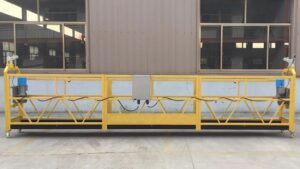
- Hoists and Platforms: Construction Hoists and various Suspended Platforms (Steel, Aluminum, and Hot Dip Galvanizing).
Ready to upgrade your site safety? Inquiry Now to speak with our professional team about your next project.
Frequently Asked Questions
What are the different categories of OSHA violations?
OSHA has six violation categories. Serious violations happen when hazards could cause serious harm or death. Other-than-serious violations involve safety issues that are less dangerous. Willful violations occur when you knowingly ignore OSHA rules.
Repeated violations are citations for the same problem found before. Failure-to-abate violations happen when you don’t fix a hazard by the deadline. De minimis violations are technical issues that don’t create real safety risks.
How do serious OSHA violations differ from other types?
Serious violations involve hazards that could cause serious injury or death to your workers. Other-than-serious violations still break OSHA rules but pose lower risks.
The main difference is the level of danger.
Could you explain what a willful violation is according to OSHA?
A willful violation means you knowingly ignored OSHA standards or showed plain indifference to worker safety. These are the most expensive citations.
What does OSHA consider to be a repeat violation?
OSHA issues a repeated violation when inspectors find the same or similar problem that was cited before. This shows you haven’t taken steps to prevent the hazard.
What is meant by a ‘de minimis’ violation in OSHA terms?
De minimis violations are technical rule breaks that don’t create actual safety risks for your workers. OSHA doesn’t issue fines for these.
You still need to fix them, but they won’t hurt your budget.