This guide will walk you through OSHA’s mission, how it protects you, and what it means for your workplace safety. OSHA is dedicated to preventing work-related injuries, illnesses, and fatalities. We’ll explore its core objectives, legal foundations, and the comprehensive scope of its influence across various industries, including construction, where equipment from companies like IHURMO is extensively used.
Defining OSHA and Its Mission

OSHA is a federal agency within the U.S. Department of Labor that protects workers by creating and enforcing workplace safety standards across the country.
What OSHA Stands For
OSHA stands for the Occupational Safety and Health Administration. This federal agency works under the Department of Labor to make sure your workplace is safe and healthy.
OSHA’s Core Objectives
OSHA’s main goal is to prevent work-related injuries, illnesses, and deaths. The agency does this by:
- Setting safety standards for workplaces
- Enforcing these standards through inspections
- Providing training and education to workers and employers
- Protecting workers from retaliation when they report safety concerns
Establishment and Legal Foundation
President Richard Nixon signed the Occupational Safety and Health Act of 1970 into law, which created OSHA. This law, often called the OSH Act, gave the agency authority to inspect workplaces and enforce safety rules. The act covers most private sector workers and some public sector employees across all 50 states and certain U.S. territories.
OSHA’s Comprehensive Role in Workplace Safety and Compliance
OSHA safeguards workers primarily through establishing and enforcing rigorous safety standards, conducting inspections, and empowering employees with defined rights. This protection extends across various sectors, though its application can differ based on employer type and state regulations.
Standards, Enforcement, and Employer Accountability
OSHA mandates specific rules that employers must adhere to. For instance, when dealing with heavy machinery like Scissor Lift or cherry pickers, standards related to fall protection, equipment maintenance, and operator training are critical. If no specific standard exists for a hazard, the General Duty Clause requires employers to maintain a workplace free from recognized serious dangers. This is particularly important in dynamic environments such as construction sites where novel hazards may emerge.
OSHA enforces these rules through inspections, which can be triggered by worker complaints, severe accidents, or targeted programs in high-risk industries like construction. During an inspection, OSHA officers scrutinize site conditions, equipment, and safety protocols. Violations uncovered can lead to significant penalties:
- Serious Violations: There is a substantial probability that death or serious physical harm could result, and the employer knew or should have known of the hazard. Fines for a single serious violation can be up to USD 16,131.
- Other-Than-Serious Violations: Directly related to job safety and health but unlikely to cause death or serious physical harm. These also carry fines up to USD 16,131.
- Posting Requirements: Failure to post required OSHA notices or citations can also incur a penalty of up to USD 16,131.
- Failure to Abate: If an employer fails to correct a previously cited violation by the abatement date, daily penalties of up to USD 16,131 can be assessed until the hazard is resolved.
- Willful or Repeated Violations: These are the most severe. A willful violation occurs when an employer knowingly disregards a legal requirement or acts with plain indifference to employee safety. A repeated violation means the employer has been cited for substantially similar conditions in the past. Fines for these can range from a minimum of USD 11,526 up to USD 161,323 per violation.
Worker Rights, Employer Duties, and Complaint Procedures
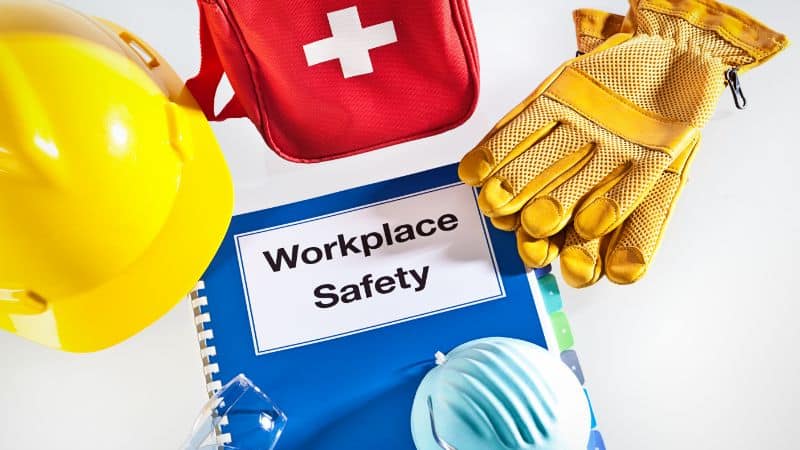
Under OSHA, workers possess crucial rights, including the ability to report unsafe conditions without fear of reprisal. Whistleblower protection laws are in place to prevent employers from firing, demoting, or otherwise punishing employees who raise safety concerns.
Employers are obligated to provide comprehensive safety training, furnish appropriate personal protective equipment (PPE), and maintain accurate records of workplace injuries and illnesses. They cannot retaliate against workers for filing complaints about hazards or participating in OSHA inspections.
If you, as a worker, believe your employer is violating safety standards or creating unsafe working conditions, you have the right to file a complaint with OSHA. You can do this anonymously if you wish. The easiest way to file a complaint is through OSHA’s official website:
- Visit the OSHA Complaint Page on OSHA.gov.
- You can also contact your local OSHA Area Office directly.
Filing a complaint prompts OSHA to investigate potential hazards, thereby upholding workplace safety for everyone.
OSHA’s Reach: Who is Covered?
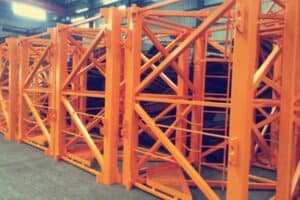
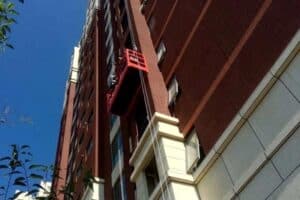
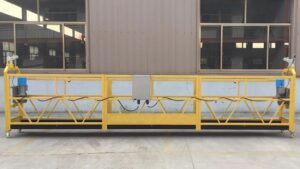
OSHA’s jurisdiction primarily covers most private-sector employers across all 50 states and certain U.S. territories, including the construction industry where Tower Cranes, Construction Hoists, Suspended Platforms equipment are extensively used. This means if you work for a private company, you are likely protected by Federal OSHA regulations.
For public sector workers (state or local government employees), Federal OSHA typically does not provide direct coverage. However, these workers may be protected if their state operates an OSHA-approved state plan. Currently, about 22 states run full state plans covering both private and public sector employees, while an additional 7 states cover only public-sector workers. These state plans must offer protections that are at least as effective as Federal OSHA standards.
OSHA does not cover self-employed individuals, immediate family members of farm employers, or industries already regulated by other federal agencies like the Mine Safety and Health Administration (MSHA) or the Federal Aviation Administration (FAA).
Key OSHA Programs and Lasting Impact
OSHA provides free safety training and resources to help you protect yourself at work, while its enforcement efforts have dramatically reduced workplace injuries since 1970.
Education, Training, and Outreach
OSHA offers free training programs to help you learn about workplace hazards. The OSHA 10 and OSHA 30 courses teach you about topics like fall protection, hazard communication, and personal protective equipment (PPE). These certifications show employers you understand basic safety practices.
The OSHA Training Institute runs specialized courses on chemical hazards, respiratory protection, and trenching and excavation. You can access free materials on OSHA.gov about air sampling, hearing exams, and other safety topics. Many courses cover how to use PPE correctly and identify dangers before accidents happen.
OSHA’s Record of Reducing Workplace Injuries
Since OSHA started in 1970, work-related injuries and illnesses have dropped significantly. The agency tracks injury and illness rates to measure progress across different industries. Non-fatal injuries and workplace accidents continue to decline as OSHA enforces safety standards.
OSHA Resources and Certification
You can contact local area offices for help with safety questions. OSHA certification programs give you credentials that prove your safety knowledge.
Partnering with IHURMO for a Safer Job Site
As a leading provider of construction machinery and safety solutions, IHURMO specializes in high-quality equipment designed to meet the rigorous demands of modern infrastructure projects.
Get in Touch with Our Safety Experts If you have questions about the safety specifications of our equipment or need assistance selecting the right machinery for your next project, our team is ready to help.
- Inquiry Support: Visit our Contact Page to send a direct message to our technical team.
- Business Focus: Construction machinery manufacturing, export, and safety-compliant lifting solutions.
Conclusion
In summary, OSHA serves as the cornerstone of American workplace safety. For industries utilizing heavy machinery, partnering with safety-conscious suppliers like IHURMO is a go–to option.
Adopting OSHA-compliant maintenance and inspection practices not only prevents costly penalties but, more importantly, protects your most valuable asset: your people. Together, regulatory standards and proactive safety cultures build a more resilient and secure workforce for the future.
Frequently Asked Questions
What steps should a business take to comply with OSHA regulations?
Your business must identify and fix workplace hazards that could harm employees. OSHA offers free help through its On-site Consultation Program. Small and medium businesses can get confidential safety advice without facing penalties.
What are OSHA’s requirements for employers regarding the recordkeeping of injuries and illnesses?
OSHA mandates that most employers with more than 10 employees must keep records of serious work-related injuries and illnesses. This involves maintaining an OSHA 300 Log of Work-Related Injuries and Illnesses, an OSHA 301 Incident Report, and an OSHA 300A Summary. These records help employers, workers, and OSHA evaluate the safety of a workplace and identify specific areas needing improvement. The annual summary (OSHA 300A) must be posted from February 1 to April 30 of the following year. More details can be found on OSHA’s Recordkeeping page.
How does OSHA apply to multi-employer worksites, especially in construction?
On multi-employer worksites, common in construction projects, more than one employer may be cited for a hazardous condition. OSHA recognizes four types of employers on such sites:
- Creating Employer: The employer that caused the hazardous condition.
- Exposing Employer: The employer whose employees are exposed to the hazard.
- Correcting Employer: The employer responsible for correcting the hazard.
- Controlling Employer: The employer who has general supervisory authority over the worksite, including the power to correct safety and health violations itself or require others to correct them.
Who is responsible for paying for Personal Protective Equipment (PPE) under OSHA regulations?
OSHA generally requires employers to pay for most types of Personal Protective Equipment (PPE). This includes items such as hard hats, safety glasses, safety footwear, fall protection harnesses, and other specialized gear. There are some exceptions, such as ordinary safety-toe footwear or ordinary prescription safety eyewear, which an employer is not required to pay for if the employee is allowed to wear them off the job site. However, for specialized PPE required by a hazard, the employer bears the cost.
What are OSHA’s “Focus Four” hazards in construction, and why are they so important?
OSHA identifies four primary hazards that are responsible for the majority of fatalities in the construction industry. These “Focus Four” hazards are:
- Falls: Leading cause of death, often from unprotected edges, roofs, or ladders.
- Struck By Objects: Incidents involving falling objects, vehicles, or equipment.
- Electrocutions: Contact with live wires, improper grounding, or overhead power lines.
- Caught-In/Between: Workers caught in excavators, machinery, or collapsing trenches.
OSHA provides extensive resources and training (like the OSHA 10-hour construction course) to mitigate these risks. For equipment like tower cranes or suspended platforms, preventing falls and struck-by incidents is a constant focus.